National Parks in Uganda: Complete Guide to All 10 Parks 2025
Uganda is home to 10 national parks that showcase some of Africa’s most diverse wildlife and stunning landscapes. From the famous mountain gorillas in Bwindi to the dramatic Murchison Falls, these protected areas offer world-class safari experiences. Each park provides unique opportunities for wildlife viewing, hiking, and cultural encounters across Uganda’s varied ecosystems.
Complete List of National Parks in Uganda
Uganda’s national parks system encompasses diverse ecosystems from tropical rainforests to savannas and mountain ranges. Established to protect the country’s incredible biodiversity, these parks cover approximately 8% of Uganda’s total land area. The 10 national parks in Uganda are managed by the Uganda Wildlife Authority and offer visitors unparalleled access to some of Africa’s most iconic wildlife species.
Each park has distinct characteristics, wildlife populations, and activities. The parks range from the massive Murchison Falls National Park covering 3,893 square kilometers to the smaller Lake Mburo National Park at 370 square kilometers. These protected areas are crucial for conservation efforts and provide sustainable tourism opportunities for both international and domestic visitors.
Queen Elizabeth National Park
Queen Elizabeth National Park stands as Uganda’s most visited park, spanning 1,978 square kilometers in southwestern Uganda. Famous for its tree-climbing lions in the Ishasha sector, the park hosts over 95 mammal species and 600 bird species. The park features diverse ecosystems including savanna, wetlands, and tropical forest, making it a premier destination for wildlife enthusiasts seeking comprehensive African safari experiences.
Bwindi Impenetrable National Park
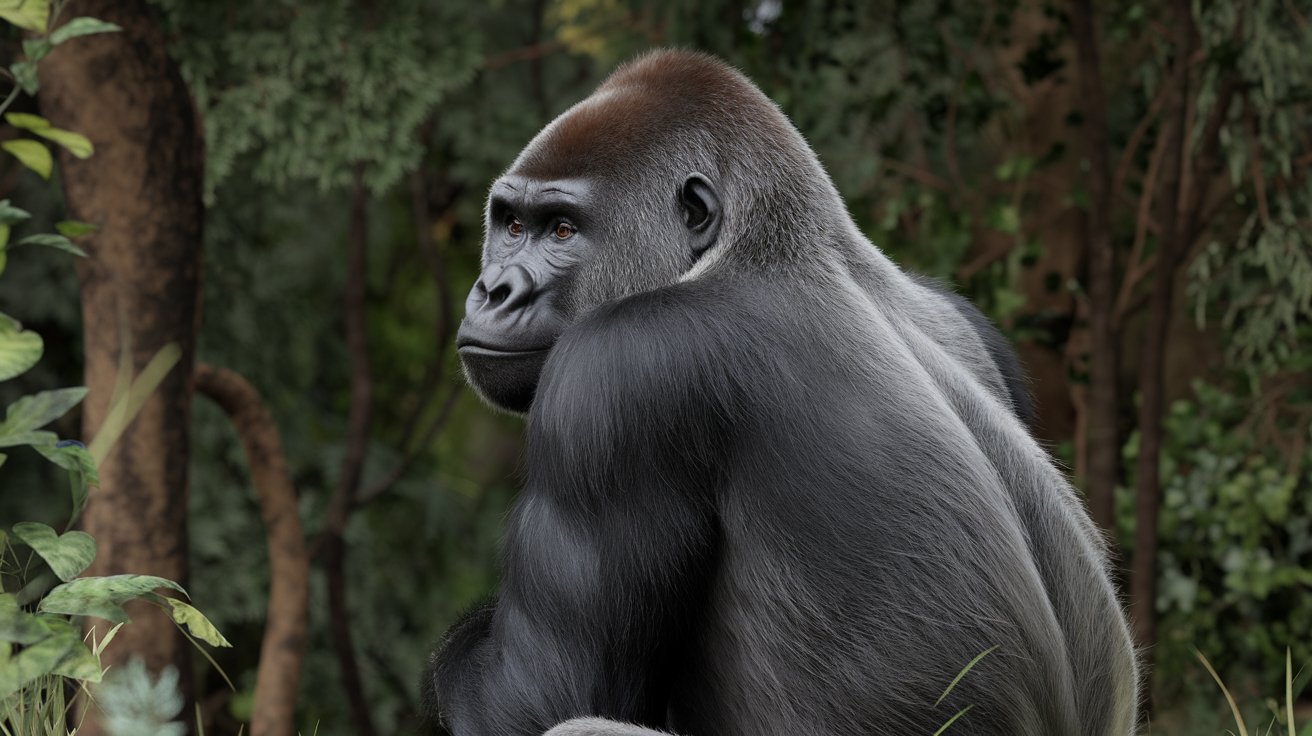
Home to approximately half of the world’s remaining mountain gorillas, Bwindi Impenetrable National Park protects 400 square kilometers of ancient rainforest. This UNESCO World Heritage Site offers gorilla trekking experiences with 19 habituated gorilla families. The park’s dense forest also shelters 120 mammal species, 350 bird species, and numerous endemic species, making it one of Africa’s most biodiverse forests.
Murchison Falls National Park
As Uganda’s largest national park, Murchison Falls covers 3,893 square kilometers and features the spectacular Murchison Falls where the Nile River plunges 43 meters through a narrow gorge. The park supports large populations of elephants, giraffes, lions, and hippos. Boat safaris along the Nile River provide excellent wildlife viewing opportunities, while game drives across the savanna offer encounters with diverse African wildlife species.
Mountain and Forest National Parks
Uganda’s mountainous regions host several national parks that protect unique highland ecosystems and rare species. These parks offer exceptional hiking opportunities, primate tracking, and stunning mountain scenery. The elevation changes create diverse microclimates supporting different vegetation zones and wildlife communities, from tropical forests to alpine meadows.
Kibale National Park
Kibale National Park protects 795 square kilometers of tropical rainforest renowned for having the highest density of primates in Africa. The park hosts 13 primate species, including over 1,500 chimpanzees, making it the premier destination for chimpanzee tracking in Uganda. The forest also supports 375 bird species and numerous butterfly species, creating exceptional opportunities for nature photography and wildlife observation.
Mount Rwenzori National Park
The Rwenzori Mountains National Park encompasses 996 square kilometers of Africa’s highest mountain range, featuring snow-capped peaks reaching 5,109 meters. Known as the ‘Mountains of the Moon,’ this UNESCO World Heritage Site offers challenging mountain climbing experiences and unique Afro-alpine vegetation. The park’s diverse elevation zones support endemic species and provide spectacular scenery for adventure travelers and mountaineers.
Mount Elgon National Park
Straddling the Uganda-Kenya border, Mount Elgon National Park protects the world’s largest volcanic base covering 1,279 square kilometers on the Ugandan side. The extinct volcano features unique attractions including Sipi Falls, caves with ancient rock art, and diverse wildlife. The park offers excellent hiking opportunities through different vegetation zones, from montane forest to alpine moorland, supporting endemic species and providing stunning panoramic views.
Savanna and Wetland National Parks
Uganda’s savanna and wetland national parks showcase the country’s diverse ecosystems beyond forests and mountains. These parks feature open grasslands, seasonal wetlands, and acacia woodlands that support different wildlife communities. They offer excellent game viewing opportunities and unique landscapes that contrast beautifully with Uganda’s forested regions.
Kidepo Valley National Park
Located in Uganda’s remote northeast, Kidepo Valley National Park covers 1,442 square kilometers of rugged savanna landscape. Often considered Uganda’s most spectacular park for scenery, Kidepo supports unique wildlife species not found elsewhere in Uganda, including cheetahs, ostriches, and bat-eared foxes. The park’s isolation has preserved pristine wilderness and traditional Karamojong culture, offering visitors authentic African safari experiences.
Lake Mburo National Park
Lake Mburo National Park spans 370 square kilometers of rolling hills, open savanna, and wetlands centered around Lake Mburo. As Uganda’s smallest savanna park, it protects unique species including zebras, impalas, and eland antelopes not commonly found in other Ugandan parks. The park offers boat safaris, horseback riding, and walking safaris, providing diverse ways to experience African wildlife in a compact setting.
Unique National Parks and Conservation Areas
Two of Uganda’s national parks offer specialized ecosystems and unique wildlife experiences. Semuliki National Park protects lowland tropical rainforest with Central African species, while these parks demonstrate Uganda’s commitment to preserving diverse habitats. These specialized conservation areas contribute significantly to regional biodiversity and provide research opportunities for understanding ecosystem dynamics and species conservation.
Semuliki National Park
Semuliki National Park protects 220 square kilometers of lowland tropical rainforest that extends from the Democratic Republic of Congo. This unique ecosystem hosts Central African forest species rarely found elsewhere in East Africa, including forest elephants, chimpanzees, and over 440 bird species. The park features hot springs, traditional Batwa pygmy culture, and serves as an important corridor for wildlife movement between different forest blocks.
National Parks Map and Locations
Understanding the locations of Uganda’s national parks helps travelers plan comprehensive safari itineraries. The parks are distributed across different regions, with several concentrated in the southwest near the borders with Rwanda and Democratic Republic of Congo. Northern parks like Murchison Falls and Kidepo Valley offer different landscapes and wildlife experiences compared to the mountain parks in the west and east.
Most national parks in Uganda are accessible by road, with driving times ranging from 3-8 hours from Kampala depending on the destination. Many visitors combine multiple parks in single trips, particularly the southwestern circuit including Queen Elizabeth, Bwindi, and Kibale parks. The geographic distribution allows for diverse safari experiences showcasing Uganda’s complete range of ecosystems and wildlife species.
Planning Your Uganda National Parks Safari
Visiting Uganda’s national parks requires careful planning to maximize wildlife encounters and experiences. Peak seasons from June to September and December to February offer the best weather for game viewing and activities. However, different parks have specific optimal times; for example, gorilla trekking is possible year-round, while chimpanzee tracking is best during dry seasons when forest trails are more accessible.
Most parks require advance booking for specialized activities like gorilla trekking permits and chimpanzee tracking. Accommodation ranges from luxury lodges to budget campsites, with many parks offering various options. Transportation can be arranged through tour operators or self-driving, with 4WD vehicles recommended for most park access roads, especially during rainy seasons.
Related video about National parks in Uganda
This video complements the article information with a practical visual demonstration.
What you should know
How many national parks are there in Uganda?
Uganda has exactly 10 national parks managed by the Uganda Wildlife Authority. These parks protect diverse ecosystems from tropical rainforests to savannas and mountain ranges, covering approximately 8% of Uganda’s total land area and showcasing the country’s incredible biodiversity.
What is the most visited national park in Uganda?
Queen Elizabeth National Park is Uganda’s most visited national park, attracting thousands of visitors annually. Located in southwestern Uganda, it offers diverse wildlife including tree-climbing lions, elephants, hippos, and over 600 bird species across varied ecosystems.
What two national parks in Uganda are famous for mountain gorillas?
Bwindi Impenetrable National Park is the primary location for mountain gorilla trekking in Uganda, home to approximately half the world’s remaining mountain gorillas. While Mgahinga Gorilla National Park (technically a national park) also hosts gorillas, Bwindi remains the most famous and accessible for gorilla encounters.
Which is the biggest national park in Uganda?
Murchison Falls National Park is Uganda’s largest national park, covering 3,893 square kilometers. Located in northwestern Uganda, it features the spectacular Murchison Falls, diverse wildlife populations, and offers both game drives and boat safaris along the Nile River.
What activities can you do in Uganda’s national parks?
Uganda’s national parks offer diverse activities including gorilla trekking, chimpanzee tracking, game drives, boat safaris, mountain climbing, bird watching, nature walks, and cultural encounters. Each park specializes in different activities based on its ecosystem and wildlife populations.
When is the best time to visit Uganda’s national parks?
The best time to visit Uganda’s national parks is during dry seasons from June to September and December to February. These periods offer better road conditions, easier wildlife spotting, and more comfortable trekking conditions, though gorilla trekking and most activities are available year-round.
| National Park | Size (km²) | Main Attractions |
|---|---|---|
| Murchison Falls | 3,893 | Murchison Falls, Big 5 wildlife, Nile boat safaris |
| Queen Elizabeth | 1,978 | Tree-climbing lions, diverse ecosystems, 600+ bird species |
| Kidepo Valley | 1,442 | Remote wilderness, unique species, stunning scenery |
| Bwindi Impenetrable | 331 | Mountain gorillas, UNESCO World Heritage Site |
| Kibale | 795 | Chimpanzees, 13 primate species, rainforest |