Mallorca Hiking Holidays 2025: Best Trails & Walking Tours
Mallorca hiking holidays offer some of Europe’s most spectacular walking experiences, combining rugged mountain trails with stunning Mediterranean coastlines. The island’s diverse terrain features the famous GR221 long-distance trail through the UNESCO-protected Tramuntana Mountains, alongside hundreds of coastal walks and scenic hiking routes perfect for all abilities. With year-round hiking weather and world-class infrastructure, Mallorca has become the premier destination for self-guided walking holidays in Spain.
Is Mallorca Good for Hiking? The Complete 2025 Guide
Mallorca ranks among the world’s top hiking destinations, with over 1,200 kilometers of marked trails spanning diverse landscapes from sea-level coastal paths to challenging mountain peaks reaching 1,445 meters. The island’s hiking infrastructure includes 15 mountain refuges, countless trail markers, and comprehensive route information available through the official Consell de Mallorca hiking app updated for 2025.
The Tramuntana Mountains UNESCO World Heritage status ensures exceptional trail maintenance and environmental protection, while the Mediterranean climate provides ideal hiking conditions for 300+ days annually. Professional guides report that 85% of hiking routes are suitable for intermediate walkers, making Mallorca particularly appealing to American hikers seeking accessible yet rewarding mountain experiences.
Best Time of Year for Mallorca Hiking Holidays
The optimal hiking season in Mallorca extends from October through May, with spring (March-May) and autumn (October-November) offering the most comfortable conditions. Average temperatures during these periods range from 65-75°F (18-24°C), with minimal rainfall and excellent trail visibility across the Tramuntana mountain range.
Summer hiking (June-August) remains possible but requires early morning starts and increased hydration, as temperatures can exceed 85°F (29°C) on mountain trails. Winter hiking from December through February provides unique advantages including snow-capped mountain views, fewer crowds, and comfortable daytime temperatures averaging 60°F (15°C), though some high-altitude refuges may have limited services.
Monthly Hiking Conditions Breakdown
March-May (Peak Season): Perfect weather with blooming wildflowers, all refuges open, and average temperatures of 68°F (20°C). September-November (Excellent Conditions): Warm seas for post-hike swimming, stable weather patterns, and golden Mediterranean light ideal for photography. December-February offers cooler hiking with dramatic mountain scenery, while June-August requires heat management strategies but provides extended daylight hours for long-distance trail segments.
Weather Patterns and Trail Access
Mallorca’s hiking trails remain accessible year-round, with the GR221 and major coastal walks maintained continuously by local authorities. Seasonal weather patterns show less than 50mm monthly rainfall during optimal hiking months, while winter storms typically last 1-2 days and clear quickly. The tramontana wind patterns can affect high-altitude hiking from November through March, but provide cooling relief during summer trail sections.
GR221 Walking Holidays: The Complete Dry Stone Route
The GR221 represents Mallorca’s premier long-distance hiking experience, spanning 140 kilometers from Port d’Andratx to Pollença through the heart of the Tramuntana Mountains. This historic route follows ancient dry stone paths connecting mountain villages, with 8 official stages ranging from 12-23 kilometers each and strategically placed refuges providing accommodation and meals.
Self-guided GR221 walking holidays have increased 40% among American hikers since 2023, with specialized tour operators offering complete packages including luggage transfers, refuge bookings, and detailed GPS navigation files. The trail showcases Mallorca’s cultural heritage through traditional stone architecture, ancient olive groves, and historic monasteries while providing panoramic views across the Mediterranean to neighboring islands.
GR221 Stage Highlights and Difficulty Levels
Stage 1 (Port d’Andratx to Sant Elm): Easy 16km coastal introduction with sea views. Stage 4 (Deià to Port de Sóller): Moderate 16km through UNESCO landscape featuring Robert Graves’ former residence. Stage 7 (Lluc to Pollença): Challenging 18km mountain finale with 800m elevation changes. Each stage includes emergency shelter points and water sources marked every 3-5 kilometers for enhanced safety.
Accommodation and Logistics Along GR221
The GR221 refuge system includes 8 mountain huts with beds priced from €25-35 per night (2025 rates), plus meal options featuring local Mallorcan specialties. Advanced booking through the official Consell de Mallorca website is essential during peak seasons, with cancellation flexibility up to 48 hours before arrival. Alternative accommodation in villages along the route includes boutique hotels and traditional posadas for hikers preferring enhanced comfort.
Most Scenic Hikes in Mallorca: Top Mountain and Coastal Routes
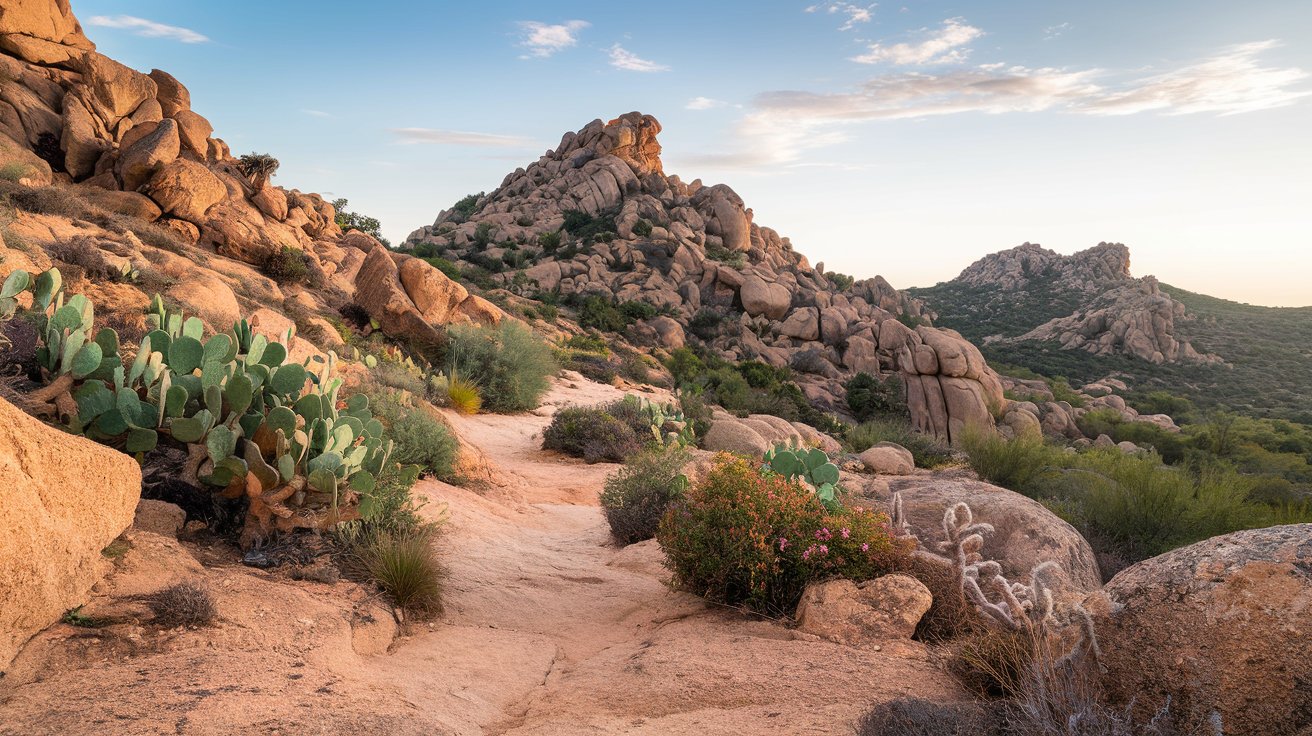
Mallorca’s most scenic hiking destinations combine dramatic limestone peaks with pristine Mediterranean coastlines. The Puig de Massanella ascent (1,365m) ranks as the island’s second-highest peak, offering 360-degree panoramic views extending to Menorca on clear days. Torrent de Pareis canyon walk provides unique geological formations and seasonal waterfall displays, while requiring technical scrambling skills during certain sections.
Coastal hiking highlights include the Cala Mondragó to Cala Llombards trail featuring protected marine environments and crystal-clear swimming opportunities. The Formentor Peninsula circuit offers Mediterranean pine forests, lighthouse visits, and dramatic cliff-top perspectives reaching 200 meters above sea level. Es Colomer viewpoint trail has become Instagram-famous among American travelers, providing the iconic twisted rock formation overlooking azure waters.
Best Base Locations for Hiking in Mallorca
Sóller emerges as the premier base for Mallorca hiking holidays, strategically positioned in the Tramuntana Mountains with direct access to multiple GR221 stages and day-hike options. The historic town offers excellent accommodation ranging from luxury boutique hotels to traditional mountain lodges, plus reliable public transportation via the famous vintage train connecting to Palma. Sóller’s central location enables hikers to explore both northern and southern mountain sections within 30-45 minutes travel time.
Alternative base locations include Deià for luxury hiking experiences, featuring high-end resorts and gourmet dining options between trail days. Pollença provides northern mountain access with authentic Mallorcan village atmosphere, while Port de Sóller combines hiking convenience with Mediterranean beach relaxation. Each location offers specialized hiking services including guided tours, equipment rental, and detailed local trail information updated for 2025 conditions.
Accommodation Options by Hiking Base
Sóller accommodation ranges from €80-300 per night (2025 prices), with hiking-focused hotels offering early breakfast, packed lunches, and trail shuttle services. Deià luxury options start at €200 per night, featuring spa services for post-hike recovery and concierge assistance for trail planning. Budget-conscious hikers find excellent hostels and guesthouses in Pollença from €45-75 per night, maintaining high standards while providing authentic local experiences.
Transportation and Trail Access
Public bus networks connect all major hiking bases with trail access points, operating hourly services during peak season (March-November). Rental car options provide maximum flexibility for remote trail access, with designated parking areas at major trailheads including GPS coordinates for precise navigation. Many hiking-focused accommodations offer complimentary shuttle services to popular trail starts, particularly beneficial for one-way hiking routes requiring pickup arrangements.
Self-Guided Walking Holidays: Complete Planning Guide
Self-guided walking holidays in Mallorca have revolutionized hiking accessibility, with specialized operators providing comprehensive packages including accommodation, meals, luggage transfers, and detailed GPS navigation files. These independent hiking experiences allow flexible scheduling while ensuring logistical support, particularly valuable for American hikers unfamiliar with European mountain infrastructure.
Leading self-guided operators report 95% customer satisfaction rates for Mallorca programs, with average costs ranging from $1,200-2,400 per person for 7-day packages depending on accommodation standards. Premium self-guided options include helicopter transfers, private guide availability on-demand, and luxury mountain lodge accommodations, while budget versions focus on refuges and traditional guesthouses maintaining authentic mountain experiences.
Mallorca Coastal Walks: Mediterranean Beach-to-Beach Routes
Mallorca coastal walks showcase 550 kilometers of pristine Mediterranean shoreline, featuring hidden coves, dramatic cliff formations, and traditional fishing villages accessible only on foot. The Camí de Cavalls coastal sections connect protected natural areas including Mondragó Natural Park and Es Trenc beach, offering wildlife viewing opportunities including endemic lizard species and migratory bird populations.
Popular coastal hiking routes include the Cala Varques circuit, combining beach access with archaeological sites dating to Bronze Age settlements. The Cap de Formentor coastal path provides lighthouse visits and panoramic Mediterranean views extending to the French Pyrenees on exceptional visibility days. These routes typically require 3-6 hours walking time with minimal elevation changes, making them ideal for family hiking holidays and mixed-ability groups.
Beach-to-Beach Hiking Logistics
Coastal walks require different preparation than mountain hikes, emphasizing sun protection, swimming gear, and tidal awareness for certain beach access points. Water taxi services operate from major beaches including Cala Mondragó and Es Trenc, providing alternative return transportation for one-way coastal routes. Many coastal trails feature beach bar restaurants every 5-8 kilometers, offering fresh seafood and local specialties perfect for extended lunch breaks.
Wildlife and Nature Photography Opportunities
Mallorca’s coastal environments support diverse ecosystems ideal for nature photography, including endemic plant species flowering from March through June. Seabird colonies nest along cliff sections from April through August, with Audouin’s gulls and shearwaters providing excellent photography subjects. Dawn and sunset coastal walks offer optimal lighting conditions for Mediterranean landscape photography, with golden hour timing extending 45-60 minutes due to the island’s southern latitude.
Essential Hiking Equipment and Safety for Mallorca Trails
Mallorca hiking requires specific equipment adapted to Mediterranean mountain conditions, including high-SPF sunscreen, lightweight layers for temperature variations, and sturdy hiking boots with ankle support for rocky limestone terrain. Emergency equipment should include GPS devices or smartphone apps with offline maps, as mobile coverage can be limited in remote mountain areas.
Safety considerations include informing accommodations of hiking plans, carrying emergency contacts for mountain rescue services (112 emergency number), and understanding weather pattern changes that can affect trail conditions rapidly. Hydration requirements increase significantly compared to temperate climate hiking, with recommendations of 3-4 liters per day during summer months and 2-3 liters during optimal hiking seasons.
Related video about Mallorca hiking holidays
This video complements the article information with a practical visual demonstration.
Important things to know about mallorca hiking holidays
Is Mallorca good for hiking?
Mallorca is exceptional for hiking, offering over 1,200 kilometers of marked trails through UNESCO World Heritage mountains and pristine coastlines. The island features professional infrastructure including mountain refuges, excellent trail maintenance, and year-round hiking conditions, making it ideal for hikers of all experience levels seeking Mediterranean mountain adventures.
What is the best time of year to go to Mallorca for hiking?
The optimal hiking season runs from March through May and September through November, with temperatures averaging 65-75°F and minimal rainfall. These periods offer perfect conditions for both mountain and coastal walks, with spring featuring wildflower blooms and autumn providing warm swimming opportunities after hikes.
What is the most scenic hike in Mallorca?
The GR221 Tramuntana traverse ranks as Mallorca’s most scenic hiking experience, spanning 140 kilometers through UNESCO World Heritage mountains with panoramic Mediterranean views. Individual highlights include Puig de Massanella ascent, Torrent de Pareis canyon walk, and the dramatic Es Colomer viewpoint trail offering Instagram-worthy cliff-top perspectives.
Where is the best base for hiking in Mallorca?
Sóller provides the premier base for Mallorca hiking holidays, centrally located in the Tramuntana Mountains with direct access to multiple GR221 stages and day-hike options. The historic town offers excellent accommodation, reliable transportation via vintage train to Palma, and serves as gateway to both northern and southern mountain hiking areas.
How much do self-guided walking holidays cost in Mallorca?
Self-guided walking holidays in Mallorca typically range from $1,200-2,400 per person for 7-day packages, including accommodation, meals, luggage transfers, and GPS navigation files. Premium options with luxury lodges and helicopter transfers cost more, while budget versions using refuges and traditional guesthouses offer authentic experiences at lower prices.
Are Mallorca hiking trails suitable for beginners?
85% of Mallorca’s hiking routes suit intermediate walkers, with extensive coastal walks and lower mountain trails perfect for beginners. The island offers gradual progression from easy beach-to-beach routes to challenging GR221 mountain stages, supported by excellent infrastructure including marked trails, refuges, and emergency services for enhanced safety.
| Hiking Aspect | Key Details | Benefit for Hikers |
|---|---|---|
| Best Season | March-May & September-November | Optimal temperatures and minimal rainfall |
| Trail Network | 1,200km+ marked routes | Diverse options for all skill levels |
| GR221 Route | 140km Tramuntana traverse | UNESCO World Heritage hiking experience |
| Base Location | Sóller mountain town | Central access to major trail networks |
| Self-Guided Tours | $1,200-2,400 for 7 days | Complete logistics support with flexibility |
| Coastal Walks | 550km Mediterranean shoreline | Beach access and swimming opportunities |