Mera Peak Climbing Guide 2025: Routes, Cost & Training
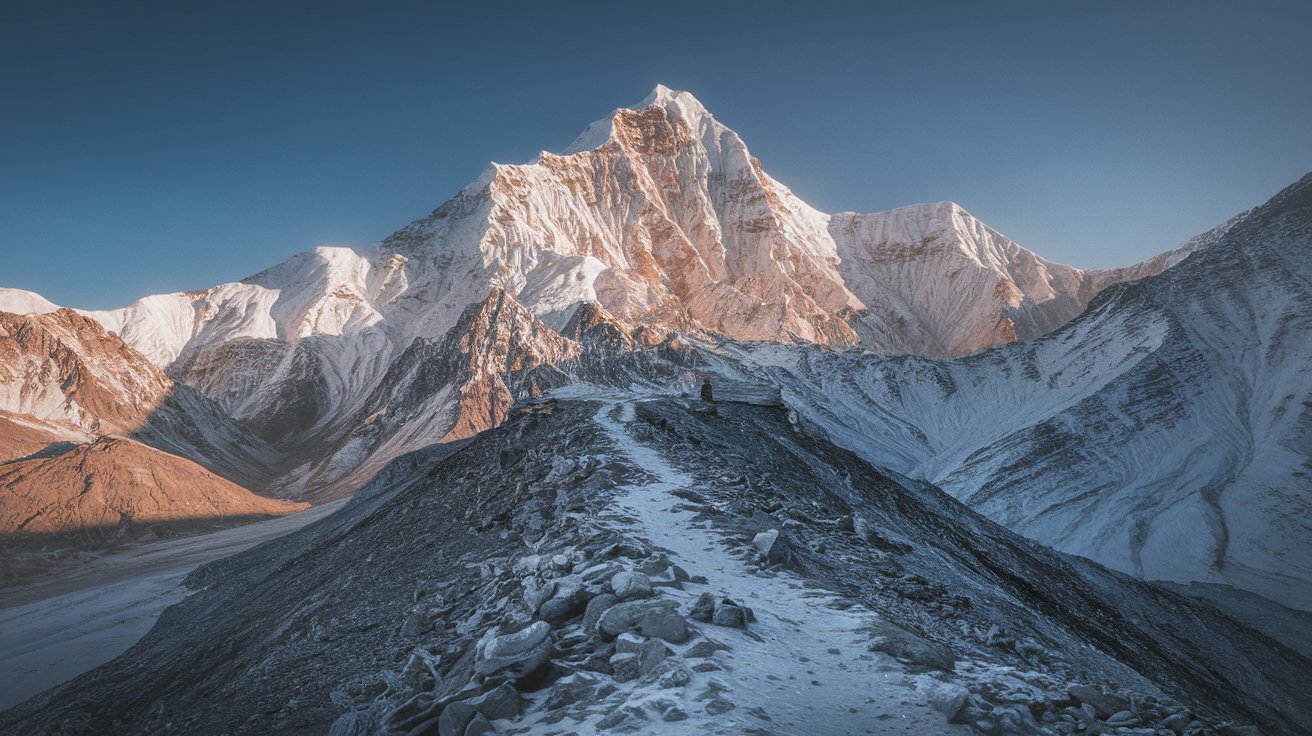
Mera Peak climbing represents Nepal’s most accessible high-altitude mountaineering experience, standing at 6,476 meters as the country’s highest trekking peak. Located in the Khumbu region, this non-technical climb offers stunning views of Everest, Lhotse, and Cho Oyu while requiring basic mountaineering skills and proper acclimatization for a successful summit attempt.
Where is Mera Peak Located
Mera Peak sits in the Mahalangur section of the Barun sub-range within the Sagarmatha National Park in Nepal’s Solukhumbu District. The mountain lies approximately 15 kilometers south of Mount Everest, offering climbers spectacular views of the world’s highest peaks. The Mera Peak location provides access through the traditional Lukla gateway, making it a popular choice for mountaineers seeking high-altitude experience.
The peak features three distinct summits: Mera North (6,476m), Mera Central (6,461m), and Mera South (6,065m). Most climbing expeditions target Mera North summit, which offers the highest elevation and most rewarding panoramic views. The surrounding Hinku Valley provides the primary approach route, with base camps established at strategic elevations for proper acclimatization protocols.
Mera Peak Climbing Difficulty and Requirements
Mera Peak climbing difficulty ranks as moderate to challenging on the mountaineering scale, requiring solid fitness levels and basic mountaineering knowledge rather than advanced technical climbing skills. The ascent involves glacier travel, crevasse navigation, and high-altitude endurance, making it an ideal stepping stone for aspiring Himalayan climbers. Most climbers find the physical demands manageable with proper preparation and training protocols.
Essential requirements include previous trekking experience at altitudes above 4,000 meters, familiarity with crampons and ice axe usage, and cardiovascular fitness equivalent to running 10 kilometers comfortably. The success rate hovers around 85% for well-prepared climbers with adequate acclimatization time. Weather windows typically occur in spring (April-May) and autumn (September-November) seasons for optimal climbing conditions.
Complete Mera Peak Route Itinerary
The standard Mera Peak climbing route spans 18-21 days including arrival and departure from Kathmandu, with careful attention to acclimatization schedules and weather contingencies. This comprehensive itinerary ensures proper altitude adjustment while maximizing summit success rates through strategic rest days and training sessions.
Days 1-4: Lukla to Panggom Approach
The journey begins with a scenic flight from Kathmandu to Lukla airport (2,860m), followed by the first day’s trek to Paiyan (2,610m) through rhododendron forests and traditional Sherpa villages. Day two continues to Panggom (2,804m), offering gradual elevation gain and cultural immersion opportunities. Days three and four progress through Ramailo Danda (3,276m) to Chhetra Khola (3,122m), establishing the foundation for higher altitude adaptation.
Days 5-8: High Altitude Acclimatization Phase
The critical acclimatization phase begins at Kothe village (3,580m) on day five, where climbers experience their first significant altitude effects. Day six reaches Thangnak (4,358m), requiring careful monitoring of altitude sickness symptoms and hydration levels. The progression to Khare base camp (4,659m) on day seven marks the final preparation point, with day eight dedicated entirely to acclimatization training and equipment checks.
Summit Attempt and Technical Climbing Details
The Mera Peak summit push typically begins around 2:00 AM from High Camp (5,780m), requiring headlamp navigation across the glacier approach and steady crampon technique on moderate ice slopes. Climbers ascend approximately 700 vertical meters over 4-6 hours, with the final approach involving a steep snow and ice section requiring fixed rope assistance and careful step placement.
Summit day weather conditions demand early departure to avoid afternoon cloud buildup and potential storms. The descent requires equal caution, with tired climbers navigating crevassed terrain and potentially softened snow conditions. Successful summiteers typically return to High Camp within 8-10 hours total, requiring immediate rest and rehydration before continuing descent to base camp.
Essential Gear and Equipment List
Proper Mera Peak climbing equipment includes technical mountaineering gear, high-altitude clothing systems, and safety equipment suitable for glacier travel and extreme weather conditions. Essential items include mountaineering boots rated for -40°C, 12-point crampons, ice axe, climbing harness, and helmet for rockfall protection.
Clothing systems require layered approach with moisture-wicking base layers, insulating mid-layers, and waterproof outer shells rated for high-altitude conditions. Sleeping systems must handle temperatures as low as -25°C, with four-season mountaineering tents and expedition-grade sleeping bags. Additional safety equipment includes avalanche transceivers, rescue gear, and comprehensive first aid supplies for remote mountain emergencies.
Training Program and Physical Preparation
Effective Mera Peak training requires 4-6 months of dedicated preparation focusing on cardiovascular endurance, leg strength, and altitude simulation protocols. Training programs should include weekly long-distance hiking with weighted packs, stair climbing sessions, and interval running to build the aerobic base necessary for high-altitude performance.
Strength training emphasis targets functional movements including squats, lunges, and core stability exercises that translate directly to mountain climbing demands. Pre-expedition training should include overnight backpacking trips with full gear loads, crampon practice sessions, and rope team rescue techniques. Mental preparation through visualization and stress management techniques proves equally important for summit success.
Cost Breakdown and Budget Planning
Mera Peak climbing costs for US climbers range from $3,500 to $6,500 depending on service levels, group sizes, and included amenities. Standard guided expeditions include permits, base camp accommodation, meals, and Sherpa support, while premium packages offer additional comfort amenities and smaller group ratios.
Additional expenses include international flights ($1,200-$2,000), personal climbing equipment ($2,000-$4,000), travel insurance with high-altitude coverage, and contingency funds for weather delays. Budget considerations should account for tips to local staff, emergency evacuation insurance, and post-expedition celebration expenses in Kathmandu.
Best Climbing Seasons and Weather Patterns
Optimal Mera Peak climbing seasons occur during pre-monsoon (April-May) and post-monsoon (October-November) periods when weather patterns provide stable conditions and clear mountain views. Spring expeditions benefit from warmer temperatures and longer daylight hours, while autumn climbing offers exceptional visibility and stable weather systems.
Weather patterns typically feature morning clarity with afternoon cloud buildup, requiring early summit attempts and flexible scheduling around storm systems. Winter climbing presents extreme cold and technical challenges, while summer monsoon seasons bring heavy snowfall and avalanche risks unsuitable for recreational climbing.
Permits and Regulations for 2025
Current Mera Peak permits for 2025 require climbing permits from the Nepal Mountaineering Association (NMA) costing $250 for foreign nationals during peak seasons and $125 during off-seasons. Additional requirements include Sagarmatha National Park entry permits ($30) and local area permits through designated checkpoints.
Permit applications require valid passport copies, detailed itineraries, and proof of climbing insurance coverage including high-altitude rescue provisions. Regulation compliance mandates licensed guide accompaniment for foreign climbers, environmental impact assessments, and adherence to Leave No Trace principles throughout the expedition duration.
Safety Considerations and Risk Management
Mera Peak safety protocols address altitude sickness prevention, crevasse rescue procedures, and emergency evacuation planning for serious mountain accidents. Common risks include acute mountain sickness, falls into crevasses, avalanche exposure, and severe weather changes requiring immediate response capabilities.
Risk mitigation strategies include conservative acclimatization schedules, redundant safety equipment, qualified guide supervision, and comprehensive emergency communication systems. Insurance requirements must include helicopter rescue coverage up to 7,000 meters elevation, medical evacuation to Kathmandu facilities, and repatriation coverage for serious injuries or altitude-related illnesses.
Related video about Mera Peak climbing
This video complements the article information with a practical visual demonstration.
FAQ – Common Questions
How long does it take to climb Mera Peak?
A complete Mera Peak expedition typically requires 18-21 days including arrival and departure from Kathmandu. The actual climbing phase spans 14-16 days with careful acclimatization scheduling, weather contingencies, and safe descent protocols. Rushed itineraries significantly reduce summit success rates and increase altitude sickness risks.
What is the success rate for Mera Peak climbing?
Mera Peak maintains approximately 85% success rate for properly prepared climbers with adequate acclimatization time and favorable weather conditions. Success rates drop significantly for climbers attempting rushed schedules or lacking proper high-altitude experience and physical conditioning.
Do I need previous mountaineering experience for Mera Peak?
While Mera Peak doesn’t require advanced technical climbing skills, participants need basic mountaineering knowledge including crampon usage, ice axe techniques, and glacier travel safety. Previous high-altitude trekking experience above 4,000 meters and familiarity with roped team travel prove beneficial for summit success.
What is the best time to climb Mera Peak?
Optimal climbing seasons are spring (April-May) and autumn (October-November) when weather patterns provide stable conditions and clear mountain views. Spring offers warmer temperatures but potentially more crowded conditions, while autumn provides exceptional visibility with cooler but stable weather systems.
How much does a Mera Peak expedition cost?
Mera Peak climbing costs range from $3,500 to $6,500 for guided expeditions, plus additional expenses for international flights ($1,200-$2,000), personal equipment ($2,000-$4,000), and travel insurance. Total expedition costs typically range $8,000-$15,000 depending on service levels and personal equipment needs.
What are the main risks of climbing Mera Peak?
Primary risks include altitude sickness, crevasse falls, avalanche exposure, and severe weather changes. Risk mitigation requires conservative acclimatization schedules, proper safety equipment, qualified guide supervision, and comprehensive rescue insurance coverage up to 7,000 meters elevation.
| Climbing Aspect | Key Requirements | Success Benefits |
|---|---|---|
| Physical Preparation | 4-6 months training, cardio base, strength conditioning | 85% success rate, reduced injury risk |
| Acclimatization | 18-21 day schedule, gradual elevation gain | Prevents altitude sickness, ensures summit attempt |
| Technical Skills | Crampon usage, ice axe, glacier travel | Safe navigation, confidence on summit day |
| Safety Equipment | Mountaineering gear, rescue insurance, communication | Emergency response capability, peace of mind |