Inca Trail Holidays 2025: Best Tours & Travel Guide
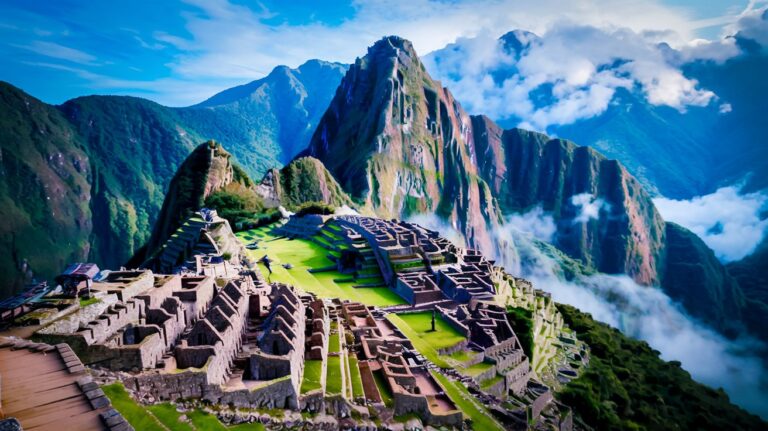
Inca Trail holidays represent one of the world’s most spectacular trekking adventures, combining ancient history with breathtaking Andean landscapes. This comprehensive guide covers everything American travelers need to know about planning the perfect Inca Trail to Machu Picchu journey in 2025, from selecting the best tour companies to understanding seasonal closures and costs.
Best Months to Visit the Inca Trail
The best months for Inca Trail holidays are May through September, during Peru’s dry season. These months offer minimal rainfall, clear mountain views, and comfortable trekking conditions. June through August represent peak season with the most stable weather but also the highest prices and largest crowds.
American travelers should note that shoulder seasons in May and September provide excellent value with fewer tourists while maintaining favorable weather conditions. Temperature ranges from 45°F to 70°F during the day, with nighttime temperatures dropping to 25°F at higher elevations.
Peak Season Benefits (June-August)
Peak season offers the most reliable weather with less than 10% chance of rain during trekking days. Visibility is excellent for photography, and trail conditions remain optimal. However, permits sell out 6-7 months in advance, and prices increase by 20-30% compared to shoulder seasons.
Shoulder Season Advantages (May & September)
Shoulder season travel provides 15-20% cost savings while maintaining 85% clear weather probability. Group sizes are smaller, creating more intimate experiences. Permits are easier to secure with 3-4 months advance booking, making it ideal for flexible American travelers.
Inca Trail Closure Periods and Planning
The Inca Trail closed every February for essential maintenance and trail restoration. This annual closure protects the UNESCO World Heritage site and ensures sustainable tourism. Additionally, the trail may experience temporary closures during severe weather events or emergencies.
Planning around the closure period requires booking permits well in advance. The trail reopens March 1st each year, with limited availability in the first weeks as demand surges from the February closure backlog.
Best Inca Trail Tour Companies for Americans
Best Inca Trail tour companies serving American travelers include internationally recognized operators with proven safety records and English-speaking guides. Top-rated companies maintain small group sizes, provide quality equipment, and offer comprehensive support throughout the journey.
Leading operators like Alpaca Expeditions Inca Trail specialize in sustainable tourism practices and employ local Quechua guides. These companies typically charge $600-$800 for standard 4-day packages, with luxury options reaching $1,200-$1,500 per person.
Premium Operators and Services
Premium tour operators offer enhanced services including professional photography, gourmet meals, and superior camping equipment. These companies maintain guide-to-client ratios of 1:8 or better and provide comprehensive pre-trek briefings for American travelers unfamiliar with high-altitude trekking.
Budget-Friendly Options
Budget operators provide essential services starting at $450-$550 per person while maintaining safety standards. These options work well for experienced hikers comfortable with basic accommodations and willing to carry more personal gear during the trek.
Understanding Inca Trail Difficulty Levels
The hardest day on the Inca Trail is universally recognized as Day 2, featuring the challenging ascent to Dead Woman’s Pass at 13,828 feet elevation. This section requires 6-8 hours of continuous hiking with significant elevation gain, testing even experienced trekkers’ endurance.
American hikers should prepare for high-altitude conditions by arriving in Cusco 2-3 days early for acclimatization. The trail covers 26 miles total over four days, with daily hiking times ranging from 5-8 hours depending on group fitness levels.
Luxury Inca Trail 4 Days Experience
The luxury Inca Trail 4 days experience elevates traditional trekking with premium amenities and personalized service. Luxury packages include professional chefs preparing gourmet meals, high-quality camping gear, and smaller group sizes limited to 8-12 participants maximum.
Premium features include luxury camping equipment with comfortable sleeping pads, dining tents with tables and chairs, and professional photography services. These packages typically cost $1,200-$1,800 per person but provide unmatched comfort and convenience for discerning American travelers.
Luxury Amenities and Services
Luxury amenities include portable toilet facilities, hot water for washing, and premium meals featuring local ingredients. Professional guides provide detailed historical commentary and cultural insights, while porters handle all camping setup and breakdown.
Exclusive Access and Experiences
Exclusive experiences may include private archaeological site visits, traditional ceremony participation, and extended time at lesser-known Inca ruins. Some luxury operators offer helicopter transfers for certain segments, reducing physical demands while maximizing scenic viewing opportunities.
Machu Picchu Hike Cost Breakdown 2025
Machu Picchu hike cost varies significantly based on service level and inclusions. Standard 4-day packages range $550-$750, while luxury options reach $1,500-$2,000 per person. Additional costs include flights to Cusco, pre-trek hotel accommodation, and personal equipment if not provided.
American travelers should budget an additional $300-$500 for ancillary expenses including tips for guides and porters, meals in Cusco, equipment purchases, and optional activities like Huayna Picchu mountain climbing permits at $75 per person.
Alternative Routes: Shortest Hike to Machu Picchu
The shortest hike to Machu Picchu is the 1-day Inca Trail, covering just 6 miles and taking 4-6 hours to complete. This option suits American travelers with limited time or physical constraints who still want authentic Inca Trail experience without multi-day camping.
Alternative routes include the 2-day Inca Trail and various non-traditional paths like Salkantay or Choquequirao treks. These alternatives often provide more availability and lower costs while still culminating at Machu Picchu with spectacular mountain scenery.
Essential Inca Trail Map and Navigation
A comprehensive Inca Trail Map shows the complete 26-mile route with elevation profiles, campsite locations, and archaeological site positions. The trail passes through four distinct climate zones, from cloud forest to high alpine terrain, each requiring different preparation and gear.
Key waypoints include Wayllabamba campsite on Day 1, Dead Woman’s Pass summit on Day 2, and the Sun Gate entrance to Machu Picchu on Day 4. GPS coordinates and altitude markers help trekkers track progress and manage pace throughout the journey.
Inca Trail Reviews and Real Experiences
Inca trail holidays reviews from American travelers consistently highlight the transformative nature of the experience, with 95% rating it as life-changing. Common praise focuses on knowledgeable guides, well-organized logistics, and the emotional impact of reaching Machu Picchu at sunrise.
Critical feedback often centers on physical preparation requirements and altitude challenges. Successful trekkers recommend arriving in Peru 3-4 days early, bringing quality hiking boots, and maintaining realistic expectations about comfort levels during the multi-day trek.
Related video about Inca Trail holidays
This video complements the article information with a practical visual demonstration.
Everything you need to know about inca trail holidays
What are the best months to visit the Inca Trail?
The best months are May through September during Peru’s dry season. June to August offer the most stable weather with minimal rainfall, while May and September provide excellent conditions with fewer crowds and lower prices. Avoid the rainy season from November to March when trail conditions become challenging.
What is the hardest day on the Inca Trail?
Day 2 is universally considered the hardest, featuring the challenging climb to Dead Woman’s Pass at 13,828 feet elevation. This section requires 6-8 hours of continuous hiking with steep ascents and high altitude conditions. Proper acclimatization and physical preparation are essential for success.
What time of year is the Inca Trail closed?
The Inca Trail closes every February for maintenance and trail restoration. This annual closure protects the UNESCO World Heritage site and ensures sustainable tourism. The trail reopens March 1st, though early March availability may be limited due to high demand from the closure period.
What is the luxury Inca Trail 4 days experience like?
Luxury 4-day packages include premium camping equipment, gourmet meals prepared by professional chefs, smaller group sizes, and enhanced services like portable toilets and hot water. Costs range from $1,200-$1,800 per person, providing maximum comfort while maintaining the authentic trekking experience to Machu Picchu.
How much does a Machu Picchu hike cost for Americans?
Standard 4-day Inca Trail packages cost $550-$750 per person, while luxury options range $1,200-$1,800. Additional expenses include flights to Peru ($400-$800), pre-trek accommodation ($50-$150 per night), and personal equipment. Total trip costs typically range $1,500-$3,000 per person including all expenses.
Which are the best Inca Trail tour companies?
Top-rated companies for American travelers include operators with English-speaking guides, proven safety records, and sustainable practices. Leading companies like Alpaca Expeditions, G Adventures, and Intrepid Travel offer comprehensive packages with quality equipment, experienced guides, and excellent customer support throughout the journey.
| Trek Aspect | Key Details | American Traveler Benefits |
|---|---|---|
| Best Booking Time | 6-7 months advance for peak season | Guaranteed permits and better prices |
| Optimal Season | May-September dry season | Clear weather and safe conditions |
| Standard Cost | $550-$750 for 4-day trek | Excellent value for world-class experience |
| Luxury Options | $1,200-$1,800 premium packages | Enhanced comfort and personalized service |
| Physical Requirements | Moderate to challenging fitness level | Achievable with proper preparation |