Dolomites Walking Holidays: Complete Guide 2025 | Best Routes
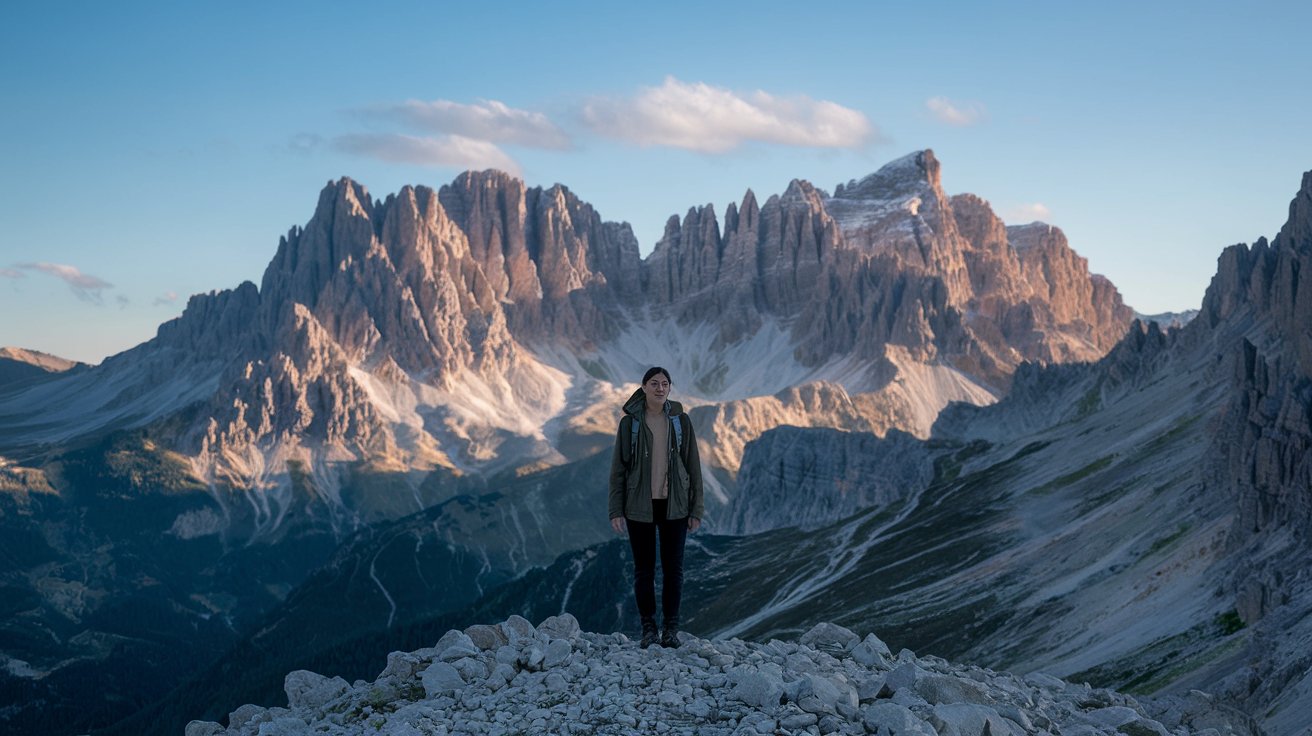
The Dolomites walking holidays offer some of the world’s most spectacular mountain scenery in northeastern Italy’s UNESCO World Heritage region. These dramatic limestone peaks provide incredible hiking experiences ranging from gentle valley walks to challenging alta via routes, attracting over 3.2 million visitors annually. Whether you’re planning your first Alpine adventure or seeking new trails, the Dolomites deliver unmatched beauty and diverse walking opportunities for every fitness level.
Best Time for Dolomites Walking Holidays
The optimal period for Dolomites walking extends from mid-June through early October, with peak conditions occurring between July and September. During summer months, temperatures range from 15-25°C (59-77°F) at moderate elevations, while snow typically clears from high-altitude trails by late June. Early autumn offers spectacular foliage and fewer crowds, making September an increasingly popular choice among experienced walkers seeking premium conditions.
Weather patterns in the Dolomites can change rapidly, with afternoon thunderstorms common during summer months. Morning starts are recommended to avoid weather complications, and walkers should always carry waterproof gear regardless of forecasts. Winter walking is possible at lower elevations, but requires specialized equipment and experience with snow conditions that persist from December through April.
Summer Walking Conditions (June-August)
Summer represents prime walking season with maximum daylight hours extending until 8:30 PM and most mountain huts fully operational. July temperatures average 20°C (68°F) during the day, dropping to 8-12°C (46-54°F) at night. All major trails remain accessible, though popular routes like Alta Via 1 experience heavy traffic requiring advance accommodation bookings. Wildflower displays peak in July, creating stunning photographic opportunities along valley trails.
Autumn Walking Advantages (September-October)
Autumn Dolomites conditions offer exceptional visibility with crisp air and stable weather patterns. September maintains comfortable walking temperatures while reducing crowds by approximately 40% compared to peak summer. Larch forests transform into golden displays, particularly spectacular around Alpe di Siusi and Val Gardena. However, many high-altitude huts close after mid-September, requiring careful planning for multi-day walks.
When to Avoid Dolomites Walking
Several periods present challenges for Dolomites walking holidays that travelers should carefully consider. Late spring (April-May) brings unpredictable weather with sudden snowstorms possible even at moderate elevations. Many mountain huts remain closed, and trail conditions can be treacherous with ice and muddy sections. Winter months (December-March) require specialized mountaineering skills and equipment, making them unsuitable for typical walking holidays.
Peak summer weekends (July-August) create overcrowding issues on popular trails, with parking areas filling by 8 AM and accommodations booking months in advance. Italian school holidays during early August intensify these conditions, making trail navigation and peaceful experiences difficult. Additionally, avoid planning walks during major weather warnings, which meteorological services issue 24-48 hours ahead of severe conditions.
Beginner-Friendly Dolomites Walking Routes
The Dolomites welcome beginners with numerous accessible trails offering stunning mountain views without technical climbing requirements. Lake Braies (Pragser Wildsee) provides a perfect introduction with its 3.5-kilometer flat loop trail requiring just 1.5 hours to complete. The Alpe di Siusi plateau features over 60 kilometers of well-marked paths with gentle gradients ideal for building confidence and fitness levels.
Beginner walkers should start with valley-based routes before attempting higher altitude trails. The Villnöß Valley offers several 2-3 hour walks with minimal elevation gain, while cable cars provide access to mountain restaurants and easier ridge walks. These introductory experiences allow newcomers to assess their capabilities while enjoying the region’s spectacular scenery without overwhelming physical demands.
Essential Skills for Beginner Hikers
Successful Dolomites walking requires basic navigation skills using trail markers, which follow standardized European numbering systems. Red-white-red blazes indicate main trails, while numbered signs provide distance and time estimates. Beginners should practice reading topographic maps and using GPS devices before departure, as mountain weather can obscure visibility and trail markers.
Recommended First-Time Routes
The Seceda Ridge walk via cable car from Ortisei offers spectacular views with minimal elevation gain, making it perfect for beginner mountain walkers. This 4-kilometer route takes 2-3 hours and provides dramatic Dolomites photography opportunities. Similarly, the Three Peaks area features well-maintained paths around Misurina Lake, where walkers can experience iconic mountain scenery while building endurance gradually.
How Many Days for Dolomites Walking
A comprehensive Dolomites walking experience typically requires 7-10 days to explore major regions without rushing. This timeframe allows for 2-3 days each in key areas like Val Gardena, Cortina d’Ampezzo, and Alta Badia, with rest days for weather contingencies or recovery. Shorter 4-5 day trips can focus on single regions, while extended 14-day adventures enable completion of classic routes like Alta Via 1 or 2.
Daily walking distances vary significantly based on chosen routes and fitness levels. Many visitors plan 4-6 hour walking days covering 8-15 kilometers with 400-800 meters elevation gain. This pace allows time for photography, meals at mountain huts, and appreciation of the unique geology that makes the Dolomites a UNESCO World Heritage site. Rest days every third day help prevent fatigue and altitude-related issues.
Planning Your Dolomites Walking Itinerary
Successful Dolomites walking holidays require careful advance planning, particularly for accommodation and transportation logistics. Base towns like Bolzano, Cortina d’Ampezzo, and Val di Fassa provide excellent access to multiple trail networks via efficient public transport systems. The South Tyrol Guest Pass offers free public transportation and cable car discounts, representing significant savings for multi-day visitors.
Accommodation options range from luxury hotels to traditional mountain huts (rifugios), with booking essential during peak season. Hike planning should account for daily weather forecasts, trail conditions, and personal fitness levels. Many successful visitors combine easier valley walks with challenging mountain routes, creating balanced itineraries that maximize enjoyment while minimizing risk and fatigue.
Transportation and Access Points
The Dolomites region connects efficiently via Bolzano airport (45 minutes from major trailheads) or Venice Marco Polo airport (2.5 hours by car). Regional bus networks provide regular service to most walking areas, though rental cars offer maximum flexibility for accessing remote trailheads. Cable cars and lifts operate seasonally, typically from mid-May through mid-October, significantly reducing walking times to high-altitude starting points.
Accommodation Strategy
Mountain huts book 2-3 months ahead for peak season, with half-board options providing excellent value and authentic Dolomites dining experiences. Valley accommodations offer more comfort and flexibility but require daily transportation to trailheads. Mixed itineraries combining both options maximize convenience while maintaining authentic mountain experiences that define Dolomites walking holidays.
Essential Gear for Dolomites Walking
Proper equipment ensures safety and comfort during Dolomites walking adventures. Quality hiking boots with ankle support prove essential on rocky terrain, while layered clothing systems accommodate rapid weather changes common at altitude. Waterproof jackets and pants are mandatory regardless of season, as afternoon thunderstorms can develop quickly in mountain environments.
Navigation tools including detailed topographic maps, compass, and GPS devices provide crucial backup when visibility decreases. Emergency supplies should include first aid kit, emergency shelter, headlamp with extra batteries, and sufficient food and water for extended delays. Many experienced walkers also carry trekking poles for stability on steep descents and stream crossings typical of Dolomites terrain.
Dolomites Walking Safety Considerations
Mountain safety in the Dolomites requires understanding weather patterns, terrain challenges, and emergency procedures. Afternoon thunderstorms pose significant lightning risks above treeline, making early morning starts essential for high-altitude routes. Trail conditions can deteriorate rapidly due to rockfall or weather, requiring flexible itinerary planning and alternative route knowledge.
Emergency communication via mountain rescue services (number 112) operates throughout the region, though cell phone coverage remains inconsistent at high elevations. Walkers should inform accommodation providers of planned routes and expected return times. Travel insurance covering mountain rescue and helicopter evacuation is strongly recommended, as costs can exceed €5,000 for complex operations in remote areas.
Related video about Dolomites walking holidays
This video complements the article information with a practical visual demonstration.
FAQ – Common Questions
When is the best time to go walking in the Dolomites?
The optimal time for Dolomites walking is mid-June through early October, with peak conditions from July to September. Summer offers the most stable weather and longest daylight hours, while September provides excellent conditions with fewer crowds and spectacular autumn colors.
How many days should I plan for a Dolomites walking holiday?
A comprehensive Dolomites walking experience requires 7-10 days to explore major regions comfortably. This allows 2-3 days in key areas like Val Gardena and Cortina d’Ampezzo, with rest days for weather contingencies. Shorter 4-5 day trips work well for single-region focus.
When should I avoid visiting the Dolomites for walking?
Avoid late spring (April-May) due to unpredictable weather and trail conditions, winter months requiring specialized equipment, and peak summer weekends when overcrowding makes trails less enjoyable. Italian school holidays in early August create the busiest conditions.
Can a beginner hike in the Dolomites safely?
Yes, beginners can safely enjoy Dolomites walking with proper preparation and route selection. Start with valley-based trails like Lake Braies or Alpe di Siusi plateau, which offer stunning views without technical challenges. Build experience gradually before attempting higher altitude routes.
What essential gear do I need for Dolomites walking?
Essential gear includes quality hiking boots, layered clothing system, waterproof jacket and pants, navigation tools (map, compass, GPS), emergency supplies, and trekking poles. Weather can change rapidly, so proper equipment ensures safety and comfort regardless of conditions.
Do I need to book accommodation in advance for Dolomites walking holidays?
Yes, advance booking is essential, especially for peak season (July-August). Mountain huts require reservations 2-3 months ahead, while valley accommodations book quickly during popular periods. Early booking ensures availability and often provides better rates for extended stays.
| Planning Aspect | Optimal Choice | Key Benefit |
|---|---|---|
| Best Season | July-September | Stable weather and full trail access |
| Duration | 7-10 days | Comprehensive region exploration |
| Beginner Routes | Valley-based trails | Safe skill development with stunning views |
| Accommodation | Mixed huts and hotels | Authentic experience with flexibility |