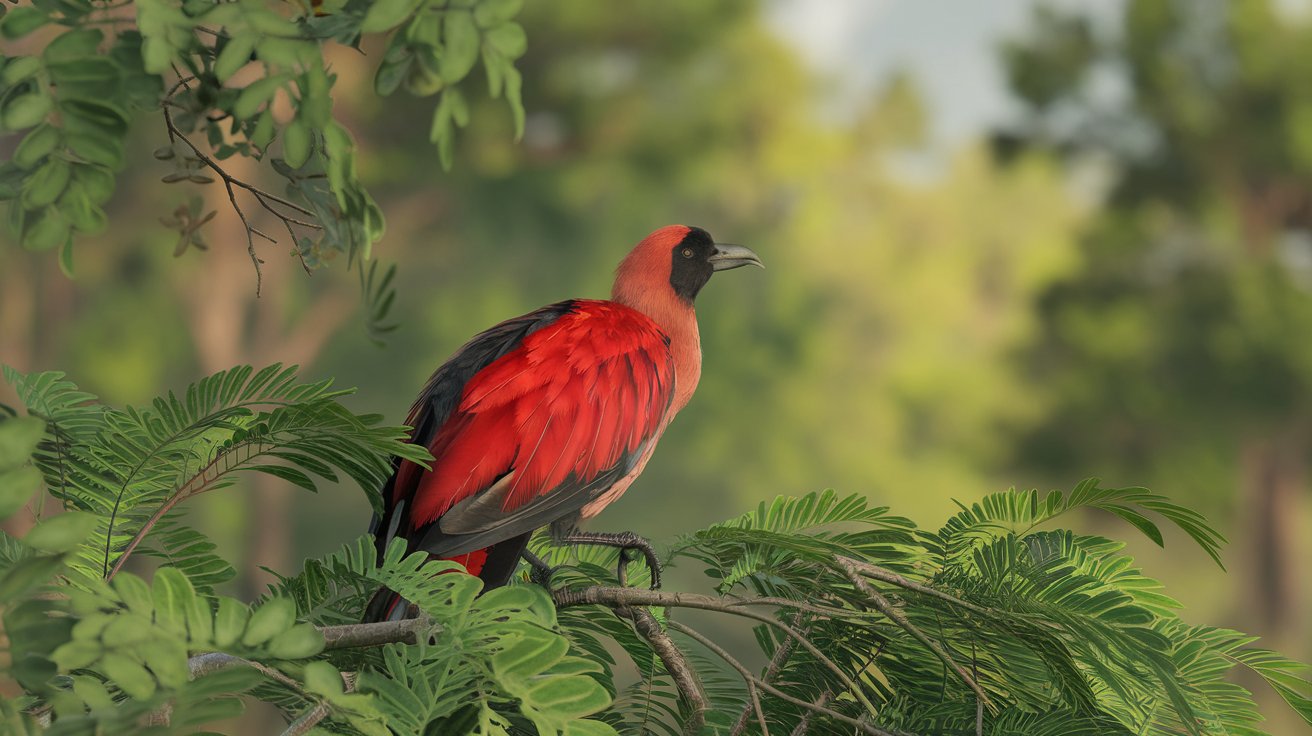
Birds of Costa Rica: Complete Guide to 50+ Amazing Species
Costa Rica is home to over 900 bird species, making it one of the world’s premier birdwatching destinations. From the iconic Keel-Billed Toucan to the national bird, the Clay-Colored Thrush, this Central American paradise offers incredible avian diversity. Whether you’re planning a birding trip or simply curious about Costa Rica’s feathered inhabitants, this comprehensive guide covers the most spectacular and common birds you’ll encounter across the country’s diverse ecosystems.
Most Iconic Birds of Costa Rica
Costa Rica’s most recognizable birds are often the most colorful and distinctive species that visitors remember long after their trip. These iconic birds represent the incredible biodiversity found in Costa Rica’s varied habitats, from cloud forests to coastal mangroves. The Keel-Billed Toucan, with its rainbow-colored bill, serves as an unofficial symbol of Costa Rica’s natural beauty and appears on countless postcards and tourism materials.
These spectacular birds are not just beautiful to observe but play crucial ecological roles in their ecosystems. Many serve as seed dispersers, helping maintain forest health and biodiversity. Understanding these iconic species provides insight into Costa Rica’s remarkable conservation success story, where over 25% of the country is protected as national parks and reserves.
Keel-Billed Toucan: Costa Rica’s Rainbow Bird
The Keel-Billed Toucan (Ramphastos sulfuratus) is arguably Costa Rica’s most famous bird, instantly recognizable by its massive, colorful bill featuring yellow, orange, red, green, and blue hues. Despite its impressive size, the bill is surprisingly lightweight, made of keratin with a honeycomb-like internal structure. These magnificent birds inhabit the tropical rainforests of Costa Rica’s Caribbean lowlands and can be spotted in Manuel Antonio, Tortuguero, and the Osa Peninsula.
Scarlet Macaw: The Big Red Bird of Costa Rica
The Scarlet Macaw (Ara macao) is the big red bird many visitors ask about when visiting Costa Rica. With brilliant red plumage accented by bright yellow and blue wing feathers, these large parrots can reach 35 inches in length. Once nearly extinct in Costa Rica with only 400 individuals remaining in the 1990s, conservation efforts have helped the population recover to over 1,500 birds in 2024. The best places to observe Scarlet Macaws are Corcovado National Park and the Central Pacific coast.
Costa Rica’s National Bird and Common Species
The Clay-Colored Thrush (Turdus grayi) holds the distinction of being Costa Rica’s national bird, chosen in 1977 for its ubiquitous presence throughout the country and its melodious song that announces the rainy season. Unlike many tropical birds known for brilliant plumage, this modest brown bird represents the everyday beauty of Costa Rican wildlife. The Clay-Colored Thrush can be found in virtually every habitat across Costa Rica, from urban gardens to pristine forests.
Beyond the national bird, several species are commonly encountered throughout Costa Rica. The Great Kiskadee is one of the most vocal and visible flycatchers, easily identified by its bold yellow belly and distinctive call. These common birds provide excellent opportunities for beginning birders to practice identification skills while serving as reliable indicators of healthy ecosystems across Costa Rica’s diverse landscapes.
Clay-Colored Thrush: Symbol of Costa Rica
Despite its plain appearance compared to Costa Rica’s more colorful birds, the Clay-Colored Thrush earned national bird status due to its cultural significance and widespread presence. Known locally as ‘Yigüirro,’ this thrush’s song traditionally signals the beginning of the rainy season in May. These adaptable birds thrive in both urban and rural environments, making them easily observable throughout Costa Rica. Their brown plumage with subtle streaking provides excellent camouflage while foraging on the ground for insects and fruits.
Great Kiskadee: Costa Rica’s Bold Flycatcher
The Great Kiskadee (Pitangus sulphuratus) is one of Costa Rica’s most recognizable and vocal birds, known for its distinctive black and white striped head pattern and bright yellow belly. These confident flycatchers are found throughout Costa Rica’s open habitats, from coastal areas to mountain valleys. Their loud ‘kis-ka-dee’ call gives them their name and makes them easy to locate. Great Kiskadees are opportunistic feeders that catch insects, small fish, and even small frogs, demonstrating remarkable adaptability across different ecosystems.
Spectacular Costa Rican Parrots and Oropendolas
Costa Rica hosts an impressive diversity of parrot species, from tiny parrotlets to massive macaws. The Red-Lored Amazon Parrot is among the most commonly observed, known for its vibrant green plumage and distinctive red forehead patch. These intelligent birds form large flocks that create spectacular aerial displays during their daily movements between feeding and roosting sites. Parrot conservation has become increasingly important in Costa Rica, with several species facing habitat pressure.
The Montezuma Oropendola represents one of Costa Rica’s most unusual and fascinating bird families. These large, colonial nesters create impressive hanging basket nests that can be seen swaying from tall trees throughout the country. Their distinctive calls and bright yellow tail feathers make them unmistakable. Oropendolas play crucial ecological roles as seed dispersers and have developed fascinating relationships with other species in their ecosystems.
Red-Lored Amazon Parrot
The Red-Lored Amazon (Amazona autumnalis) is Costa Rica’s most commonly encountered large parrot species, easily identified by its predominantly green plumage with a distinctive red patch on the forehead and blue on the crown. These intelligent birds are highly social, often seen in flocks of 20-30 individuals during feeding times. Red-Lored Amazons inhabit both Pacific and Caribbean lowland forests and have adapted well to secondary growth forests, making them more resilient than some other parrot species in Costa Rica.
Montezuma Oropendola: Master Nest Builder
The Montezuma Oropendola (Psarocolius montezuma) is one of Costa Rica’s most distinctive birds, known for creating elaborate hanging nests that can reach over three feet in length. These colonial nesters often build dozens of nests in single trees, creating impressive ‘apartment complexes’ that are visible from great distances. Males are significantly larger than females and perform acrobatic courtship displays while producing a variety of calls ranging from liquid gurgles to harsh chatters. Their bright yellow tail feathers and chestnut body make them unmistakable in Costa Rica’s forests.
Stunning Hummingbirds and Tanagers of Costa Rica
Costa Rica is home to over 50 hummingbird species, making it a paradise for lovers of these jewel-like birds. From the tiny Scintillant Hummingbird, one of the world’s smallest birds, to the impressive Violet Sabrewing with its purple plumage, Costa Rica’s hummingbird diversity is extraordinary. Cloud forests in areas like Monteverde and San Gerardo de Dota offer the best opportunities to observe highland species, while lowland areas host different species adapted to warmer climates.
Tanagers represent another incredibly diverse and colorful bird family in Costa Rica, with species like the Passerine Tanager and Blue-Gray Tanager commonly observed throughout the country. These fruit-eating birds play essential roles in forest ecosystems as seed dispersers. Mixed flocks of tanagers, often containing multiple species, create spectacular viewing opportunities for birdwatchers. The diversity of tanager species reflects Costa Rica’s position as a bridge between North and South American bird populations.
Red-Legged Honeycreeper: Jewel of the Tropics
The Red-Legged Honeycreeper (Cyanerpes cyaneus) is one of Costa Rica’s most beautiful small birds, with males displaying brilliant blue plumage contrasting with bright red legs and a distinctive black mask. During breeding season, males are particularly striking, while females and non-breeding males show more subdued green and yellow coloration. These active birds feed primarily on nectar and small insects, often joining mixed feeding flocks. Red-Legged Honeycreepers can be found throughout Costa Rica’s lowland and mid-elevation forests, frequently visiting flowering trees and bird feeding stations.
Blue-Gray Tanager: Costa Rica’s Adaptable Beauty
The Blue-Gray Tanager (Thraupis episcopus) is one of Costa Rica’s most adaptable and widespread birds, found from sea level to 2,000 meters elevation. These medium-sized birds display subtle but beautiful coloration with light blue-gray plumage and darker blue wings and tail. Unlike many tropical birds that require pristine forest habitats, Blue-Gray Tanagers thrive in gardens, parks, and agricultural areas, making them easily observable throughout Costa Rica. They feed on a varied diet of fruits, nectar, and insects, often joining mixed feeding flocks with other tanager species.
Unique Trogons and Motmots of Costa Rica
Costa Rica’s trogon family includes some of the most spectacular birds in the Neotropics, with the Resplendent Quetzal being the most famous member. The Gartered Trogon, more commonly observed than its famous cousin, displays beautiful green and red coloration and can be found in various forest types throughout Costa Rica. Trogons are known for their distinctive calls and their habit of remaining motionless for long periods, making them challenging but rewarding birds to spot.
Motmots represent another unique bird family found exclusively in the Neotropics, with the Broad-Billed Motmot being one of Costa Rica’s most distinctive species. These birds are instantly recognizable by their racquet-shaped tail feathers, created when the birds preen away the barbs near the tail tips. Motmots are expert insect hunters and also feed on small reptiles and fruits, playing important ecological roles in their forest ecosystems.
Gartered Trogon: Forest Jewel
The Gartered Trogon (Trogon caligatus) is one of Costa Rica’s most beautiful and commonly encountered trogon species, found in both lowland and mid-elevation forests. Males display brilliant green upperparts with a bright red belly separated by a distinctive white band, while females show brown upperparts with a pink belly. These birds excavate nesting cavities in termite nests or rotting wood and feed primarily on insects caught in aerial sallies. Their distinctive calls, described as a series of cow notes, help birders locate them in the dense forest canopy.
Broad-Billed Motmot: The Pendulum Bird
The Broad-Billed Motmot (Electron platyrhynchum) is one of Costa Rica’s most distinctive birds, easily identified by its unique racquet-shaped tail that swings like a pendulum when the bird is perched. Found in lowland forests on both the Pacific and Caribbean sides of Costa Rica, these birds prefer dense forest understory where they hunt for insects, small reptiles, and occasionally fruits. Their broad, flattened bill is perfectly adapted for catching prey, and their patient hunting style makes them efficient forest predators. The distinctive tail shape is created through preening behavior that removes barb sections near the tail tips.
Best Places to See Birds in Costa Rica
Costa Rica’s diverse ecosystems provide exceptional birdwatching opportunities throughout the country, with each region offering unique species and experiences. The cloud forests of Monteverde and San Gerardo de Dota are renowned for high-elevation species including the Resplendent Quetzal, while lowland rainforests like Tortuguero and Corcovado National Park host an incredible diversity of tropical species. The Central Valley’s mix of agricultural areas and forest fragments provides excellent opportunities to observe both common and less common species.
Timing is crucial for optimal birdwatching in Costa Rica, with the dry season (December through April) generally offering the best conditions. Early morning hours from 6:00 AM to 10:00 AM provide peak bird activity, while late afternoon can also be productive. Many lodges and tour operators throughout Costa Rica specialize in birdwatching tours, offering expert guides who can help visitors identify and locate specific species of interest.
Related video about Birds of Costa Rica
This video complements the article information with a practical visual demonstration.
Most asked questions about birds of costa rica
What is the most common bird in Costa Rica?
The Great Kiskadee is among the most commonly observed birds in Costa Rica, found throughout the country in open habitats, gardens, and forest edges. This bold flycatcher is easily identified by its distinctive black and white striped head pattern, bright yellow belly, and loud ‘kis-ka-dee’ call that gives it its name.
Which is the national bird of Costa Rica?
The Clay-Colored Thrush (Yigüirro in Spanish) is Costa Rica’s national bird, officially designated in 1977. Despite its modest brown plumage, this thrush was chosen for its ubiquitous presence throughout the country and its cultural significance, as its song traditionally announces the beginning of the rainy season in May.
What is the big red bird in Costa Rica?
The big red bird most visitors ask about is the Scarlet Macaw, a large parrot with brilliant red plumage accented by bright yellow and blue wing feathers. These magnificent birds can reach 35 inches in length and are best observed in Corcovado National Park and along the Central Pacific coast, where conservation efforts have helped their population recover.
What are the two most iconic birds of Costa Rica?
The two most iconic birds of Costa Rica are the Keel-Billed Toucan, with its spectacular rainbow-colored bill, and the Scarlet Macaw, known for its brilliant red plumage. Both species serve as symbols of Costa Rica’s incredible biodiversity and are frequently featured in tourism materials representing the country’s natural beauty.
When is the best time to see birds in Costa Rica?
The best time for birdwatching in Costa Rica is during the dry season from December through April, with early morning hours between 6:00 AM and 10:00 AM providing peak bird activity. Many species are more active and vocal during these cooler morning hours, making identification easier for both beginning and experienced birders.
How many bird species are found in Costa Rica?
Costa Rica is home to over 900 bird species, making it one of the world’s premier birdwatching destinations despite its small size. This incredible diversity includes over 50 hummingbird species, multiple parrot and toucan species, and numerous endemic and near-endemic species found nowhere else in the world.
| Bird Category | Notable Species | Best Viewing Locations |
|---|---|---|
| National Symbols | Clay-Colored Thrush, Keel-Billed Toucan | Throughout Costa Rica |
| Large Parrots | Scarlet Macaw, Red-Lored Amazon | Corcovado, Central Pacific |
| Hummingbirds | 50+ species including Violet Sabrewing | Cloud forests, feeders |
| Unique Families | Motmots, Trogons, Oropendolas | Primary and secondary forests |