15 Best Hikes in the World: Epic Trails Every Adventurer Must
The best hikes in the world offer transformative experiences that combine breathtaking landscapes, cultural immersion, and physical challenge. From Nepal’s towering Himalayas to Patagonia’s pristine wilderness, these legendary trails attract over 2.8 million international hikers annually according to 2024 adventure tourism data. This comprehensive guide reveals 15 world-class hiking destinations that deliver unforgettable adventures for every skill level.
The Ultimate Himalayan Adventures
The Himalayan range hosts some of the most spectacular hiking trails on Earth, drawing adventurers to experience towering peaks, ancient cultures, and spiritual landscapes. These high-altitude treks offer unparalleled mountain views and cultural encounters that define world-class hiking experiences.
Nepal dominates the best Himalayan hiking destinations with three iconic trails that consistently rank among the world’s top adventures. Each trek offers distinct challenges and rewards, from technical mountain passes to serene valley walks through traditional Sherpa villages.
Everest Base Camp Trek, Nepal
The Everest Base Camp trek stands as the ultimate high-altitude hiking pilgrimage, attracting over 35,000 trekkers annually to reach the base of the world’s highest peak at 17,598 feet. This 12-14 day adventure through the Khumbu Valley showcases dramatic mountain scenery, Buddhist monasteries, and Sherpa culture. The trek requires excellent fitness and proper acclimatization, with teahouse accommodations available throughout the route. Best hiking seasons are March-May and September-November when weather conditions are most stable.
Annapurna Circuit Trek, Nepal
The Annapurna Circuit offers incredible diversity across its 128-mile route, crossing the challenging 17,769-foot Thorong La Pass while showcasing varied ecosystems from subtropical forests to alpine deserts. This classic Nepal hiking adventure typically takes 15-20 days and features comfortable teahouse lodging throughout most of the circuit. The trek provides stunning views of Annapurna I, Dhaulagiri, and Manaslu peaks, making it one of the most rewarding long-distance hikes globally.
European Alpine Classics
Europe’s premier hiking destinations combine centuries of mountaineering tradition with world-class trail infrastructure and mountain hut systems. The European Alps offer some of the most accessible yet challenging multi-day hiking experiences, with well-marked trails connecting charming villages and dramatic mountain landscapes.
These classic European hiking routes feature excellent logistics support, making them ideal for hikers seeking adventure without extreme remoteness. The combination of cultural richness, culinary experiences, and stunning alpine scenery creates unforgettable European mountain adventures.
Tour du Mont Blanc, France/Switzerland/Italy
The Tour du Mont Blanc circumnavigates Western Europe’s highest peak across three countries over 105 miles of spectacular alpine terrain. This iconic European hiking circuit takes 7-11 days depending on pace and route variations, with excellent mountain hut accommodations and dining throughout. The trail offers constant Mont Blanc massif views while crossing dramatic cols and traversing flower-filled meadows. Over 100,000 hikers complete portions of this world-famous alpine trek annually, making early reservations essential during peak summer months.
GR20 Corsica, France
Corsica’s GR20 trail earned its reputation as Europe’s toughest long-distance hike, covering 112 miles of rugged granite terrain across the island’s mountainous spine. This demanding technical hiking challenge requires 15-16 days and features exposed scrambling sections, river crossings, and remote mountain refuges. The trail showcases Corsica’s unique Mediterranean mountain environment with dramatic granite spires, pristine mountain lakes, and endemic wildlife. Only experienced hikers with excellent fitness should attempt this challenging European adventure.
South American Wilderness Expeditions
South America hosts some of the world’s most remote and pristine hiking destinations, from the ancient Inca trails of Peru to Patagonia’s windswept wilderness. These epic South American treks offer unmatched biodiversity, cultural heritage, and dramatic landscapes that span tropical rainforests to glaciated peaks.
The continent’s legendary hiking routes provide authentic wilderness experiences with varying levels of infrastructure and support. Many trails require permits and advance planning, particularly the popular Inca Trail which limits access to preserve this UNESCO World Heritage site.
Inca Trail to Machu Picchu, Peru
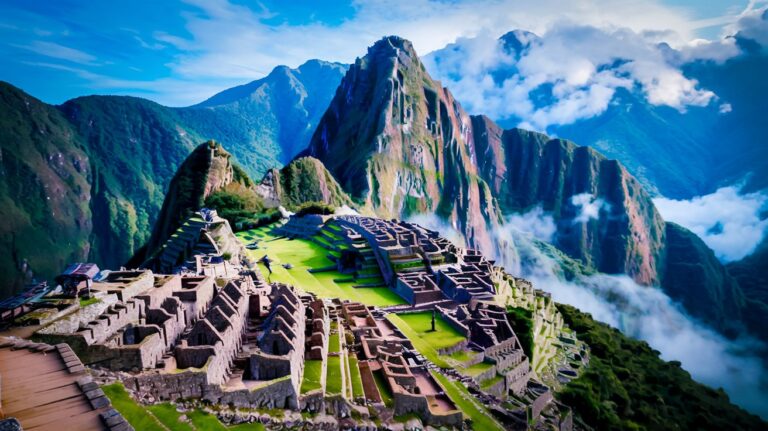
The classic Inca Trail remains one of the world’s most sought-after hiking experiences, combining ancient Incan architecture, cloud forest ecosystems, and the dramatic arrival at Machu Picchu. This 26-mile trek takes 4 days and requires advance permits limited to 500 hikers daily to protect the archaeological sites. The trail features well-preserved Incan ruins, diverse altitude zones from 8,530 to 13,828 feet, and culminates with sunrise over the iconic Lost City of the Incas. Booking 6-8 months in advance is essential for this bucket-list hiking adventure.
Torres del Paine W Trek, Chile
Chile’s Torres del Paine W Trek showcases Patagonian wilderness across 50 miles of dramatic granite spires, turquoise lakes, and windswept pampas. This 4-5 day adventure features the iconic Torres Base viewpoint, French Valley’s hanging glaciers, and Grey Glacier’s massive ice formations. The trek offers excellent refugio accommodations and camping options while providing access to some of South America’s most spectacular mountain scenery. Strong winds and unpredictable weather make proper gear essential for this Patagonian hiking experience.
Asian Cultural and Mountain Adventures
Asia’s diverse hiking landscapes blend spiritual traditions, ancient cultures, and stunning natural beauty across varied terrains from tropical islands to high-altitude deserts. These culturally rich hiking experiences offer unique insights into local traditions while providing access to some of the continent’s most remote and beautiful regions.
From Japan’s sacred pilgrimage routes to Central Asia’s silk road valleys, these Asian adventure trails combine physical challenge with cultural immersion. Many routes follow historical trade paths or religious pilgrimage routes, adding depth and meaning to the hiking experience.
Kumano Kodo Pilgrimage Trails, Japan
Japan’s Kumano Kodo represents one of only two pilgrimage routes designated as UNESCO World Heritage sites, featuring ancient stone paths through pristine forests to sacred Shinto and Buddhist shrines. The Nakahechi route offers the most accessible 4-6 day journey with traditional ryokan accommodations and hot spring baths. These sacred trails have been traveled for over 1,000 years by emperors, samurai, and common pilgrims seeking spiritual enlightenment. The Japanese pilgrimage hiking experience combines cultural immersion with peaceful forest walking and traditional hospitality.
Markha Valley Trek, Ladakh, India
The Markha Valley trek in Ladakh offers an exceptional high-altitude desert hiking experience through Buddhist culture and dramatic Himalayan landscapes. This 7-8 day adventure crosses multiple passes above 16,400 feet while traversing traditional Ladakhi villages and ancient monasteries. The trek showcases the unique Tibetan Buddhist culture of the Himalayan rain shadow with colorful prayer flags, whitewashed stupas, and traditional stone houses. High-altitude acclimatization in Leh is essential before attempting this remote and challenging adventure.
African Wilderness and Summit Adventures
Africa offers some of the world’s most unique hiking experiences, combining wildlife encounters, cultural interactions, and diverse ecosystems from tropical forests to high-altitude glaciers. The continent’s premier hiking destinations provide opportunities to summit iconic peaks while experiencing rich cultural heritage and extraordinary biodiversity.
These African adventure treks range from technical mountain ascents to cultural walking safaris, offering experiences unavailable elsewhere on Earth. Many trails provide opportunities to interact with local communities and contribute to conservation efforts through responsible tourism.
Mount Kilimanjaro, Tanzania
Mount Kilimanjaro stands as Africa’s highest peak and one of the world’s most accessible high-altitude summits, attracting over 50,000 climbers annually to its 19,341-foot Uhuru Peak. The mountain offers multiple route options ranging from 5-9 days, with the Machame route providing the best combination of scenery and success rates. This non-technical climb traverses five distinct climate zones from tropical forests to arctic summit conditions. Success rates vary from 45-90% depending on route choice and acclimatization, making proper preparation essential for this African summit adventure.
Drakensberg Traverse, South Africa
The Drakensberg Traverse offers South Africa’s premier high-altitude hiking experience across the dramatic escarpment that forms the border with Lesotho. This challenging multi-day adventure features chain ladders, river crossings, and pristine alpine environments above 10,000 feet. The region showcases unique endemic flora, ancient San rock art, and spectacular mountain scenery. Drakensberg hiking permits are required for overnight adventures, and weather can change rapidly requiring proper mountain gear and experience.
North American Wilderness Classics
North America’s legendary hiking destinations span diverse ecosystems from desert canyons to glaciated peaks, offering world-class trail systems and wilderness protection. These iconic American hiking experiences combine natural beauty with excellent infrastructure and established outdoor recreation culture.
The continent’s premier long-distance trails attract millions of hikers annually, from day hikers to thru-hikers attempting complete trail traverses. Many routes feature hut-to-hut systems or established campgrounds, making them accessible to hikers of varying experience levels.
John Muir Trail, California, USA
The John Muir Trail traverses 211 miles of California’s Sierra Nevada range from Yosemite Valley to Mount Whitney, showcasing some of North America’s most spectacular alpine scenery. This 2-3 week adventure crosses multiple 11,000+ foot passes while connecting pristine wilderness areas and crystal-clear mountain lakes. The trail requires wilderness permits and careful food resupply planning, with limited entry quotas protecting this fragile high Sierra ecosystem. JMT hiking permits are extremely competitive, requiring lottery applications months in advance for this bucket-list American hiking experience.
Appalachian Trail Sections, Eastern USA
The Appalachian Trail spans 2,190 miles from Georgia to Maine, offering countless section hiking opportunities through diverse Eastern forest ecosystems and mountain ranges. Popular sections include Virginia’s Shenandoah National Park, North Carolina’s Great Smoky Mountains, and New Hampshire’s White Mountains. The trail features over 250 shelters and established camping areas, making it accessible for both day hikes and extended backpacking adventures. Annual thru-hiking attempts average 3,500 hikers with about 25% completing the entire trail, making section hiking a popular alternative for experiencing this American hiking institution.
Related video about Best hikes in the world
This video complements the article information with a practical visual demonstration.
What you should know
What are the most difficult hikes in the world?
The most challenging hikes include Corsica’s GR20 (Europe’s toughest), Pakistan’s K2 Base Camp, Nepal’s Snowman Trek, and Alaska’s Chilkoot Trail. These routes demand excellent fitness, technical skills, and extensive mountain experience with success rates often below 50% due to extreme weather, altitude, and terrain challenges.
When is the best time to hike the world’s top trails?
Optimal hiking seasons vary by region: Himalayan treks are best in March-May and September-November, European Alps peak in June-September, Patagonian trails suit October-April, and African mountains offer year-round opportunities with regional variations. Always research specific trail conditions and weather patterns before planning.
How much does it cost to hike the world’s best trails?
Costs range dramatically from $500-800 for self-guided European huts treks to $15,000+ for guided Himalayan expeditions. Budget considerations include permits, guides, accommodation, flights, gear, and insurance. Popular trails like the Inca Trail average $600-800 for 4-day guided experiences, while independent European hiking costs $50-100 daily.
Do I need a guide for the world’s best hiking trails?
Guide requirements vary by destination and experience level. Mandatory guided trails include the Inca Trail and some restricted areas. Self-guided hiking works well for European Alps, established American trails, and Japanese routes with excellent infrastructure. Consider guides for cultural immersion, safety in remote areas, and local expertise in challenging terrain.
What fitness level is required for world-class hiking adventures?
Fitness requirements range from moderate (Tour du Mont Blanc) to extreme (high-altitude Himalayan treks). Most world-class hikes demand cardiovascular endurance for 6-8 hours daily hiking, leg strength for sustained climbs, and mental resilience. Begin training 3-6 months prior with regular hiking, cardio exercise, and strength training focusing on legs and core stability.
What essential gear is needed for international hiking adventures?
Essential gear includes quality hiking boots, moisture-wicking clothing layers, waterproof jacket, navigation tools, first aid supplies, and appropriate backpack. High-altitude treks require additional items like warm sleeping bags, glacier glasses, and altitude sickness medication. Research specific trail requirements and climate conditions to pack appropriately while minimizing weight.
| Trail Category | Best Examples | Key Benefits |
|---|---|---|
| High-Altitude Adventures | Everest Base Camp, Kilimanjaro | Ultimate mountain views and personal achievement |
| Cultural Immersion Treks | Inca Trail, Kumano Kodo | Historical significance and cultural learning |
| Technical Challenges | GR20 Corsica, Drakensberg | Advanced skill development and adventure thrills |
| Wilderness Expeditions | Torres del Paine, John Muir Trail | Remote pristine environments and solitude |