Best Mediterranean Islands: 15 Paradise Destinations 2025
The Mediterranean islands offer some of the world’s most stunning destinations, combining crystal-clear waters, rich cultural heritage, and diverse landscapes. From the famous Greek islands like Santorini and Mykonos to the pristine beaches of Spanish islands such as Mallorca and Ibiza, these Mediterranean gems attract millions of visitors annually. Whether you’re seeking ancient history, vibrant nightlife, or secluded beaches, the Mediterranean Sea houses over 150 islands, each offering unique experiences for travelers in 2025.
Top 5 Largest Mediterranean Islands Worth Visiting
The five biggest islands in the Mediterranean offer diverse experiences ranging from ancient civilizations to modern resort destinations. Sicily, the largest Mediterranean island at 9,927 square miles, combines Italian culture with Greek and Arab influences. Sardinia follows as the second-largest, known for its pristine beaches and luxury resorts that attract high-end travelers from the United States.
Cyprus ranks third among Mediterranean islands, offering year-round sunshine and UNESCO World Heritage sites. Corsica, France’s mountainous island paradise, provides dramatic landscapes and French Mediterranean cuisine. Finally, Crete completes the top five, serving as Greece’s largest island with Minoan archaeological sites dating back 4,000 years, making it a cultural treasure for American tourists seeking historical depth.
Greek Islands: Crown Jewels of the Mediterranean
Greek islands represent the most iconic Mediterranean destinations, with over 6,000 islands and islets scattered across the Aegean and Ionian seas. Only 227 Greek islands are inhabited, offering visitors authentic experiences beyond typical tourist crowds. The Cyclades island group includes world-famous destinations like Santorini, Mykonos, and Paros, each providing distinct characteristics for different traveler preferences.
Santorini: The Most Photographed Island
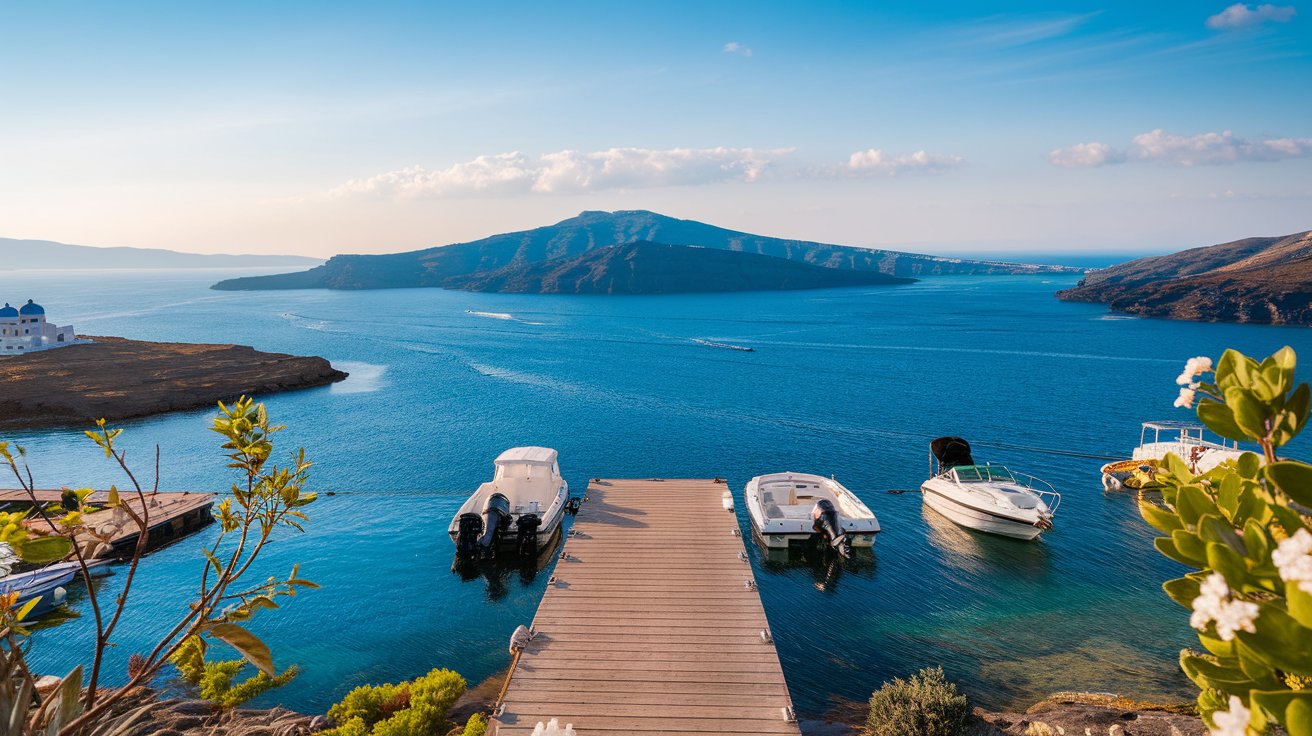
Santorini remains the most sought-after Greek island for American tourists, welcoming over 2 million visitors annually. The island’s distinctive white-washed buildings perched on volcanic cliffs create Instagram-worthy scenes at every turn. Oia village offers the world’s most famous sunset views, while black sand beaches like Kamari provide unique volcanic swimming experiences that differ from typical Mediterranean coastlines.
Mykonos: Party Capital and Luxury Haven
Mykonos combines vibrant nightlife with luxury accommodations, attracting celebrities and affluent travelers from the United States. The island’s beach clubs like Scorpios and Nammos offer day-to-night entertainment with world-class DJs. Beyond partying, Mykonos town features charming windmills, boutique shopping, and traditional Greek tavernas serving fresh seafood caught daily in Mediterranean waters.
Italian Mediterranean Islands: Sicily and Beyond
Italian Mediterranean islands showcase the country’s diverse regional cultures and culinary traditions. Sicily and Sardinia represent the two main Italian islands in the Mediterranean, each offering distinct experiences for American travelers. Sicily blends Italian, Greek, and Arab influences, creating unique architecture and cuisine found nowhere else in the Mediterranean region.
Sicily: Cultural Melting Pot
Sicily offers more UNESCO World Heritage sites than any other Mediterranean island, including the Valley of the Temples and Mount Etna. The island’s strategic location created a cultural crossroads where Norman, Arab, and Byzantine civilizations left lasting impacts. Palermo’s street food scene reflects this diversity, with arancini, cannoli, and granita representing Sicily’s unique Mediterranean cuisine that attracts food-focused American tourists.
Sardinia: Pristine Beaches and Luxury Resorts
Sardinia boasts some of the Mediterranean’s clearest waters, particularly along the Costa Smeralda where luxury resorts cater to international travelers. The island’s nuragic civilization left behind 7,000 ancient stone structures, making Sardinia an archaeological wonder. American tourists appreciate Sardinia’s diverse landscapes, from white sand beaches to rugged mountains, all within a relatively compact Mediterranean island setting.
Spanish Mediterranean Islands: Balearic Paradise
The Balearic Islands represent Spain’s premier Mediterranean destinations, consisting of Mallorca, Menorca, Ibiza, and Formentera. These Spanish islands attract over 16 million tourists annually, with Americans representing a growing segment seeking European Mediterranean experiences. Each island offers distinct personalities, from Ibiza’s world-famous club scene to Menorca’s UNESCO Biosphere Reserve status protecting pristine Mediterranean ecosystems.
Ibiza: Global Nightlife Destination
Ibiza stands as the Mediterranean’s undisputed nightlife capital, hosting world-renowned DJs at superclubs like Pacha, Amnesia, and Ushuaïa. Beyond clubbing, the island offers hidden coves and beach clubs where American tourists can experience Mediterranean luxury. Ibiza’s UNESCO World Heritage old town provides cultural balance, featuring 16th-century fortifications and traditional Spanish architecture overlooking the Mediterranean Sea.
Mallorca: Diverse Mediterranean Experiences
Mallorca combines beach resorts, mountain villages, and cultural attractions within one Mediterranean island. The Serra de Tramuntana mountain range offers hiking trails with spectacular Mediterranean views, while Palma’s Gothic cathedral represents medieval architectural mastery. American families appreciate Mallorca’s diverse accommodation options, from luxury resorts to traditional fincas, providing authentic Spanish Mediterranean experiences.
Croatian Islands: Hidden Mediterranean Gems
Croatian islands in the Mediterranean offer pristine alternatives to crowded mainstream destinations, with over 1,200 islands and islets along the Adriatic coast. Hvar and Vis represent Croatia’s most appealing Mediterranean islands for American tourists seeking authentic experiences. These islands combine crystal-clear waters, lavender fields, and medieval towns with significantly lower costs compared to Western European Mediterranean destinations.
Hvar: Lavender Island Paradise
Hvar island produces 8% of the world’s lavender, creating purple landscapes that peak during June and July Mediterranean summers. The island’s wine tradition dates back 2,400 years, with native grape varieties creating unique Croatian wines unavailable elsewhere in the Mediterranean. Hvar town’s 13th-century architecture and car-free streets provide intimate Mediterranean village experiences that American tourists increasingly seek over mass-tourism destinations.
Vis: Military Island Turned Tourist Paradise
Vis island remained closed to tourists until 1989 due to military restrictions, preserving its authentic Mediterranean character. The island’s Blue Cave phenomenon creates ethereal blue illumination when sunlight enters underwater openings, providing unique natural experiences. Vis produces some of Croatia’s finest wines, particularly Vugava white wine indigenous to this Mediterranean island, attracting wine enthusiasts from the United States seeking rare varietals.
Small Mediterranean Islands Worth Discovering
Small Mediterranean islands often provide the most authentic and peaceful experiences away from mass tourism crowds. Lipari in Italy’s Aeolian Islands, Paros in Greece’s Cyclades, and Formentera near Ibiza represent intimate Mediterranean destinations. These smaller islands typically offer better value for American travelers while maintaining traditional Mediterranean lifestyles and pristine natural environments often lost on larger, more developed islands.
Each small Mediterranean island develops unique characteristics based on geography, history, and cultural influences. Volcanic islands like Lipari feature dramatic landscapes and therapeutic hot springs, while limestone islands such as Paros showcase classic white Cycladic architecture. These intimate destinations allow American visitors to experience authentic Mediterranean culture through local festivals, family-run restaurants, and traditional crafts passed down through generations.
Best Time to Visit Mediterranean Islands from the US
The optimal time for American tourists to visit Mediterranean islands varies by destination and travel preferences. Peak season runs from June through August, offering warmest Mediterranean weather but highest prices and crowds. Shoulder seasons (April-May and September-October) provide ideal conditions with pleasant temperatures, fewer tourists, and significant cost savings of 30-50% compared to summer rates.
Winter Mediterranean travel appeals to Americans seeking mild weather escapes, particularly to southern islands like Sicily, Cyprus, and Crete where temperatures average 60-70°F. Many Mediterranean islands maintain year-round flight connections from major US cities, making off-season visits increasingly popular. Cultural attractions, museums, and local restaurants remain open during Mediterranean winters, providing authentic experiences without summer tourist pressures.
Related video about Islands in the Mediterranean
This video complements the article information with a practical visual demonstration.
FAQ – Common Questions
What is the nicest island in the Mediterranean?
Santorini is widely considered the nicest Mediterranean island, famous for its dramatic volcanic cliffs, white-washed buildings, and spectacular sunsets. The island combines stunning natural beauty with luxury accommodations and authentic Greek culture. However, ‘nicest’ depends on preferences – Mallorca offers diverse experiences, Sicily provides rich history, and Croatian islands like Hvar deliver pristine nature with fewer crowds.
What are the five biggest islands in the Mediterranean?
The five largest Mediterranean islands are Sicily (Italy) at 9,927 square miles, Sardinia (Italy) at 9,301 square miles, Cyprus at 3,572 square miles, Corsica (France) at 3,351 square miles, and Crete (Greece) at 3,219 square miles. These islands offer diverse experiences from ancient civilizations to modern luxury resorts, making them popular destinations for American tourists.
What are the two Mediterranean islands in Italy?
Italy’s two main Mediterranean islands are Sicily and Sardinia. Sicily, the larger island, features Mount Etna volcano, UNESCO World Heritage sites, and unique Sicilian cuisine blending Italian, Greek, and Arab influences. Sardinia offers pristine beaches along Costa Smeralda, ancient nuragic archaeological sites, and luxury resorts popular with international travelers.
What is a small island in the Mediterranean Sea?
Lipari in Italy’s Aeolian Islands exemplifies a charming small Mediterranean island, covering just 14 square miles. This volcanic island offers therapeutic hot springs, dramatic landscapes, and authentic Italian culture without mass tourism. Other notable small Mediterranean islands include Paros (Greece), Vis (Croatia), and Formentera (Spain), each providing intimate experiences and pristine natural beauty.
How do I get to Mediterranean islands from the United States?
American travelers typically fly to major European cities like Rome, Athens, Barcelona, or Paris, then connect to Mediterranean islands via regional flights or ferries. Direct flights from the US serve some larger islands during summer season. Many islands offer seasonal charter flights from major US airports. Ferry connections provide scenic routes between multiple Mediterranean islands, allowing island-hopping adventures.
Which Mediterranean islands are best for families?
Mallorca, Crete, and Cyprus rank as top family-friendly Mediterranean islands, offering safe beaches, family resorts, and cultural attractions suitable for children. These islands provide excellent healthcare, English-speaking services, and diverse activities from water sports to historical sites. Sardinia and Sicily also offer family-friendly resorts with kids’ clubs and shallow swimming areas perfect for American families.
| Island Category | Best Examples | Key Benefits for US Travelers |
|---|---|---|
| Large Cultural Islands | Sicily, Crete, Cyprus | Rich history, diverse attractions, year-round accessibility |
| Luxury Party Islands | Mykonos, Ibiza, Santorini | World-class nightlife, luxury resorts, Instagram-worthy scenery |
| Hidden Gem Islands | Hvar, Vis, Paros | Authentic culture, lower costs, pristine nature |
| Family-Friendly Islands | Mallorca, Sardinia, Menorca | Safe beaches, family resorts, educational attractions |