What is Iceland Known For? 15 Unique Things That Define Iceland
Iceland is renowned for its dramatic natural landscapes, including geysers, glaciers, and the Northern Lights. This Nordic island nation has gained international recognition for its progressive politics, renewable energy leadership, and unique cultural contributions. From being the world’s most peaceful country to producing internationally acclaimed musicians, Iceland offers remarkable achievements that far exceed what you’d expect from a nation with only 380,000 people.
Natural Wonders and Geological Phenomena
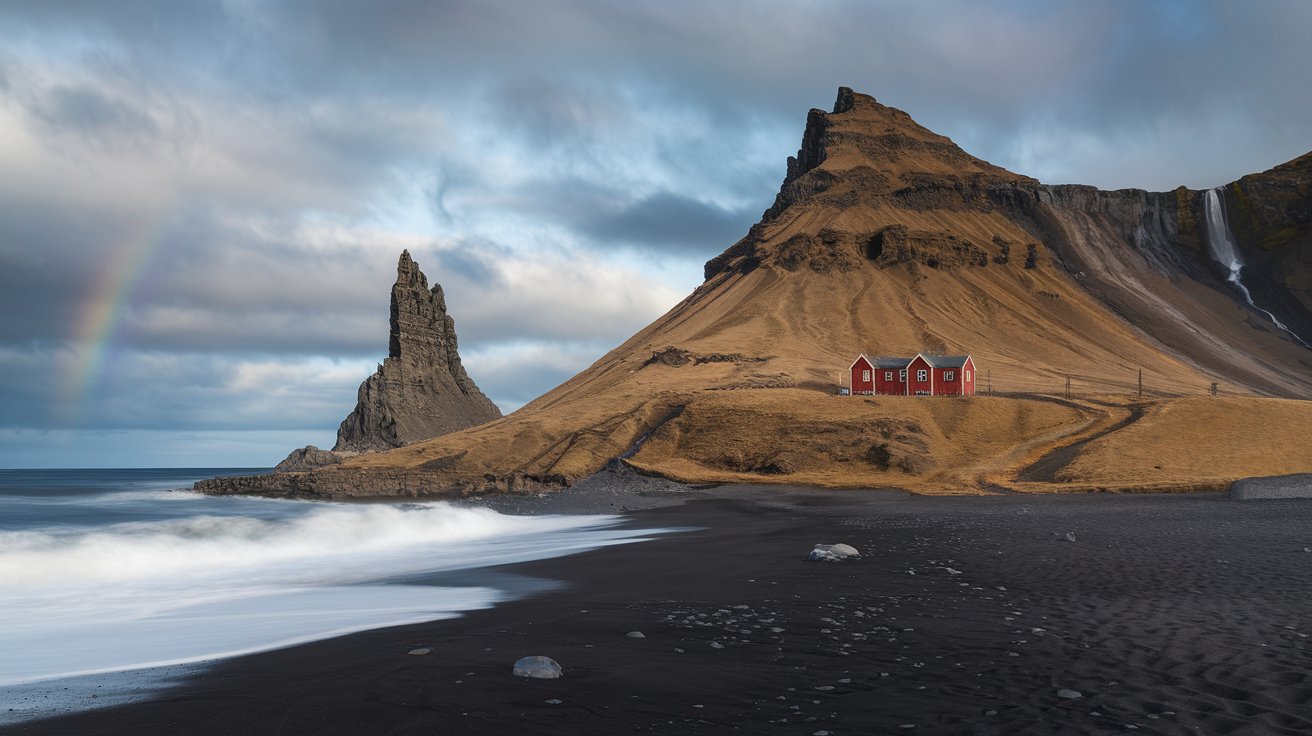
Iceland sits on the Mid-Atlantic Ridge, making it one of the most geologically active countries in the world. The island experiences frequent volcanic activity, with over 130 volcanic mountains, many of which remain active today. This unique geological position creates extraordinary natural phenomena that attract millions of visitors annually. The country’s landscape features dramatic contrasts, from black sand beaches and massive glaciers to bubbling hot springs and powerful waterfalls.
The nation’s geothermal activity is so intense that 99% of Iceland’s heating comes from renewable geothermal and hydroelectric sources. This geological activity has shaped not only the physical landscape but also Iceland’s economy, culture, and way of life, making it a global leader in sustainable energy production.
Geysers and Hot Springs
Iceland is home to the world’s first known geyser, called Geysir, which gave its name to all geysers worldwide. While the original Geysir is now mostly dormant, nearby Strokkur erupts every 5-10 minutes, shooting water up to 130 feet high. The country has over 600 hot springs and numerous geothermal pools, with the Blue Lagoon being the most famous international attraction, welcoming over 700,000 visitors annually.
Northern Lights and Arctic Phenomena
Iceland offers some of the world’s best Northern Lights viewing opportunities from September through March. The aurora borealis can be seen throughout the country when conditions are right, with minimal light pollution outside Reykjavik. During winter months, Iceland experiences the polar night phenomenon, with only 4-5 hours of daylight in December, while summer brings the midnight sun with nearly 24 hours of daylight in June.
Progressive Politics and Social Achievements
Iceland has consistently led the world in progressive political achievements and social equality. The country elected the world’s first democratically elected female president, Vigdís Finnbogadóttir, who served from 1980 to 1996. In 2009, Iceland became the first nation to elect an openly gay head of government when Jóhanna Sigurðardóttir became Prime Minister. These milestones reflect Iceland’s commitment to equality and progressive values.
The nation consistently ranks as the most peaceful country in the world according to the Global Peace Index, a position it has held since 2008. Iceland also leads the World Economic Forum’s Global Gender Gap Report, achieving near-perfect gender equality in education, health, and political empowerment.
Women’s Rights Leadership
Iceland was the first country to legalize clinical abortion in 1935 and has maintained progressive reproductive rights policies. The country also pioneered equal pay legislation, requiring companies with 25 or more employees to prove they pay men and women equally for the same work. This law, implemented in 2018, makes Iceland the first nation to legally mandate equal pay certification.
Democratic Innovations
Iceland founded the world’s oldest parliament, the Althing, in 930 AD, making it over 1,000 years old. The country also experimented with crowdsourced constitutional reform following the 2008 financial crisis, involving citizens directly in the democratic process. Iceland’s political system emphasizes transparency and citizen participation more than most other democracies.
Cultural Contributions and Arts
Despite its small population, Iceland has produced internationally recognized artists, musicians, and writers. The country is known for Björk, one of the most innovative musicians of the modern era, and bands like Sigur Rós and Of Monsters and Men. Iceland’s music scene is incredibly vibrant, with the highest per-capita number of musicians and bands of any country in the world.
The nation also leads in literary achievement, with the highest per-capita book publication and consumption rates globally. One in ten Icelanders will publish a book during their lifetime, continuing a literary tradition that dates back to the medieval sagas. The annual Reykjavik International Literary Festival celebrates this rich literary heritage.
Sports Achievements and National Pride
Iceland became the smallest nation ever to qualify for a FIFA World Cup when they reached the 2018 tournament in Russia. With a population of just 334,000 at the time, this achievement captured worldwide attention. The country also reached the quarterfinals of the 2016 European Championship, defeating England in one of the tournament’s biggest upsets.
In the 2018 Winter Olympics, Iceland won its first-ever Olympic medal in a team sport when the men’s handball team took silver. This achievement made Iceland the smallest nation to win an Olympic medal in a team sport, further cementing their reputation for punching above their weight in international competition.
Food Culture and Culinary Traditions
Iceland’s food culture combines traditional Nordic preservation techniques with modern culinary innovation. The country is famous for fermented shark (hákarl), a traditional dish that remains a cultural curiosity for visitors. However, modern Icelandic cuisine focuses on fresh seafood, grass-fed lamb, and unique dairy products from free-range cattle.
Icelandic skyr has gained international popularity as a healthy dairy product, now available in major US supermarket chains. The country also produces excellent seafood, with cod, haddock, and langoustine being major exports. Iceland’s restaurant scene has evolved dramatically, with Reykjavik now home to several Michelin-recommended restaurants that showcase local ingredients.
Traditional Icelandic Beverages
Iceland is known for producing Brennivín, a traditional schnapps made from fermented grain or potato mash and flavored with caraway seeds. This drink is often called ‘Black Death’ and pairs with traditional foods like hákarl. The country also has a thriving craft beer scene, with Reykjavik hosting an annual beer festival celebrating local and international brews.
Modern Culinary Innovation
Contemporary Icelandic chefs emphasize farm-to-table dining using locally sourced ingredients like wild berries, herbs, and seaweed. Restaurants like Dill and Matur og Drykkur have put Iceland on the international culinary map, earning recognition for their innovative approach to traditional Nordic cuisine and sustainable cooking practices.
Economic Specialties and Production
Iceland’s economy is built on sustainable industries that leverage the country’s natural resources and geographic advantages. The nation is a major exporter of seafood, particularly cod and haddock, with fishing contributing significantly to the national economy. Iceland also leads in aluminum production, using cheap geothermal energy to power energy-intensive smelting operations.
The country has become a hub for data centers due to its cold climate, renewable energy, and political stability. Major tech companies like Google, Microsoft, and Facebook operate facilities in Iceland, taking advantage of natural cooling and clean energy. Tourism has also become a major economic driver, contributing over 8% of GDP and employing nearly 30,000 people as of 2024.
Safety and Quality of Life
Iceland consistently ranks as the safest country in the world, with virtually no violent crime and extremely low property crime rates. The country has no standing army and police officers rarely carry firearms. This safety record contributes to Iceland’s high quality of life rankings and makes it an attractive destination for families and solo travelers alike.
The low crime rate stems from various factors including social cohesion, economic equality, effective social programs, and a strong sense of community. Iceland also has one of the world’s highest life expectancy rates at 83 years, reflecting excellent healthcare systems and lifestyle factors. The country’s happiness index rankings consistently place it among the top 10 happiest nations globally.
Unique Shopping and Souvenirs
Iceland offers distinctive shopping experiences with products you can only find there. Icelandic wool sweaters (lopapeysa) feature traditional Nordic patterns and are made from wool of Icelandic sheep, known for its warmth and water-resistant properties. These sweaters have become iconic symbols of Icelandic craftsmanship and culture.
Visitors can purchase Icelandic skincare products made from local ingredients like glacial water, algae, and geothermal minerals. Blue Lagoon’s skincare line and other brands like BIOEFFECT use unique Icelandic resources to create premium beauty products. Other popular souvenirs include traditional Icelandic books, local jewelry made from lava rock, and artisanal foods like wild berry jams and smoked fish.
Language and Cultural Heritage
Iceland has preserved the Icelandic language remarkably well, with modern Icelandic remaining very close to Old Norse. This linguistic preservation allows Icelanders to read 800-year-old sagas in their original form. The language has about 314,000 native speakers, making it one of the smaller languages in the world, yet it remains vibrant and actively used in all aspects of society.
The country takes language preservation seriously, creating new Icelandic words for modern concepts rather than adopting foreign terms. Iceland’s naming committee reviews all personal names to ensure they follow traditional linguistic rules. This dedication to linguistic heritage reflects broader cultural values of preserving traditional ways while embracing modern progress.
Related video about What is Iceland known for
This video complements the article information with a practical visual demonstration.
FAQ – Common Questions
What is Iceland famous for?
Iceland is famous for the Northern Lights, Blue Lagoon, geysers, progressive politics, safety, and cultural achievements. The country is known for being the world’s most peaceful nation, having the oldest parliament, and producing internationally acclaimed musicians like Björk. Its dramatic landscapes, renewable energy leadership, and unique food culture also contribute to its global reputation.
What is something you can only buy in Iceland?
Authentic lopapeysa (Icelandic wool sweaters) with traditional patterns, Brennivín schnapps, and skincare products made from Blue Lagoon’s geothermal minerals are unique to Iceland. You can also find traditional fermented shark (hákarl), Icelandic skyr produced locally, and handcrafted items made from Icelandic lava rock and local materials.
What are 5 facts about Iceland?
Iceland has no standing army and is the world’s most peaceful country. The nation runs on 99% renewable energy from geothermal and hydroelectric sources. It has the world’s oldest parliament (Althing) founded in 930 AD. Iceland was the smallest country ever to qualify for a FIFA World Cup. The country has the highest per-capita book publication rates globally, with one in ten Icelanders publishing a book.
Why is crime so low in Iceland?
Crime is exceptionally low in Iceland due to strong social cohesion, economic equality, effective social programs, and a homogeneous population with shared values. The country has excellent education and healthcare systems, minimal income inequality, and a culture that emphasizes community responsibility. Police rarely carry firearms, and there’s a high level of trust between citizens and institutions.
What is Iceland known for producing?
Iceland is known for producing renewable energy, seafood (especially cod and haddock), aluminum using geothermal power, and skyr dairy products. The country also produces unique wool products, Brennivín alcohol, and innovative skincare products using local ingredients. Iceland has become a major data center hub and produces creative content including music and literature.
Where is Iceland located?
Iceland is located in the North Atlantic Ocean between Greenland and Norway, just south of the Arctic Circle. The island nation sits on the Mid-Atlantic Ridge where the North American and Eurasian tectonic plates meet. Iceland covers approximately 40,000 square miles and is about 180 miles from Greenland and 500 miles from Norway.
| Key Aspect | Notable Achievement | Global Impact |
|---|---|---|
| Natural Wonders | Home to original Geysir, Northern Lights, Blue Lagoon | Top tourist destination, geological research hub |
| Progressive Politics | First female democratically elected president, oldest parliament | Model for gender equality and democratic innovation |
| Renewable Energy | 99% renewable energy from geothermal and hydro sources | Global leader in sustainable energy solutions |
| Safety & Peace | World’s most peaceful country since 2008 | Model for conflict resolution and social cohesion |
| Cultural Contributions | Highest per-capita book publication, international musicians | Influential arts scene despite small population |