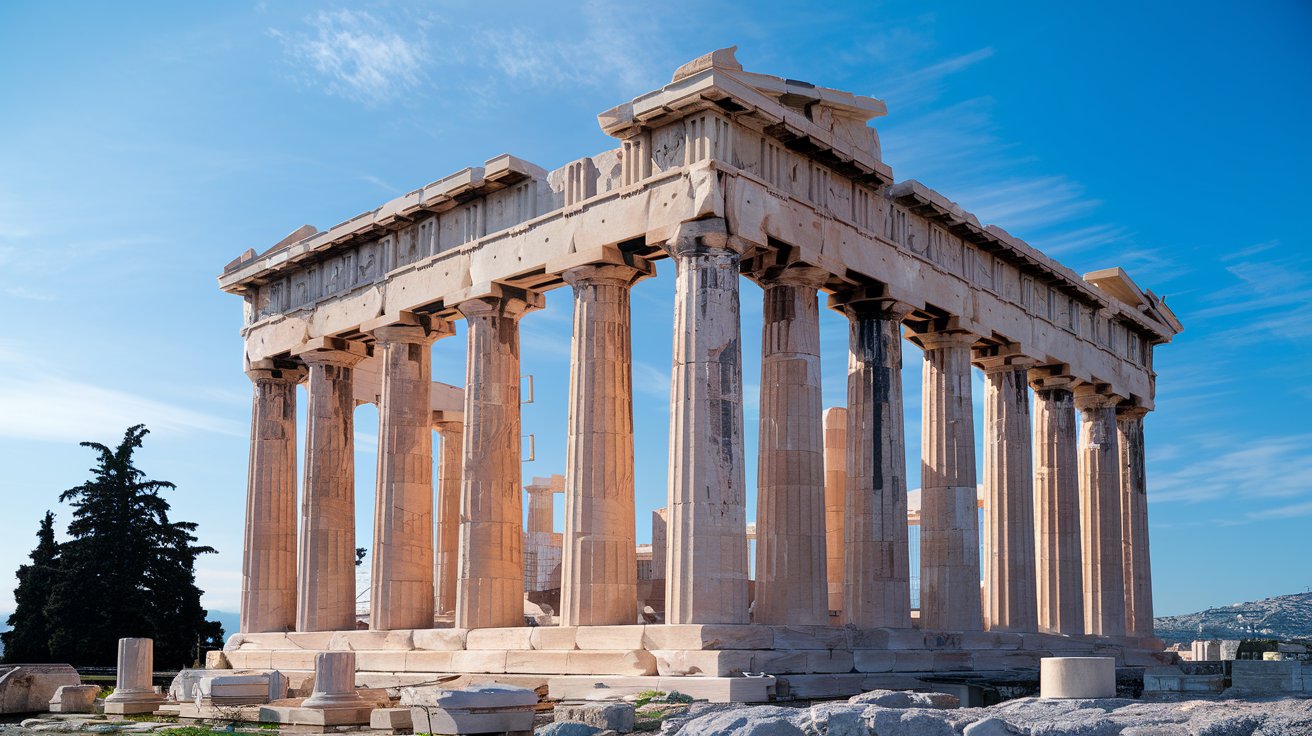
Ancient Ruins in Greece: Best Historic Sites for US Tourists
Greece offers ancient ruins that transport visitors back thousands of years, making it a premier destination for American tourists seeking cultural enrichment. From the world-famous Acropolis in Athens to lesser-known archaeological treasures across the Greek islands, these historic sites provide unparalleled glimpses into classical civilization. This comprehensive guide reveals the best ancient ruins to visit in Greece for tourists, including practical travel tips and insider recommendations for an unforgettable journey through antiquity.
Must-Visit Ancient Ruins in Athens for American Tourists
Athens serves as the epicenter of ancient Greek civilization and houses some of the world’s most recognizable archaeological sites. The city’s ancient ruins attract over 5 million American visitors annually, according to 2024 tourism statistics. These famous Greek ruins offer direct connections to democracy’s birthplace and Western philosophy’s foundations. Most sites are easily accessible via Athens’ efficient metro system, making them ideal for tourists with limited time. The city’s compact archaeological zone allows visitors to experience multiple ancient ruins in Greece within a single day while enjoying modern amenities.
The best ancient ruins in Athens include world heritage sites that have influenced architecture and culture for over two millennia. These monuments showcase the artistic and engineering prowess of classical Greece, featuring marble constructions that have withstood earthquakes, wars, and weathering. American tourists particularly appreciate the detailed multilingual signage and guided tour options available at major sites. The concentration of ancient ruins in central Athens makes it an efficient base for exploring Greece’s archaeological treasures while enjoying contemporary dining and accommodation options.
The Acropolis and Parthenon Complex
The Acropolis stands as Greece’s most iconic ancient site, drawing over 3.5 million visitors annually and ranking as the top archaeological attraction for American tourists. This sacred rock formation houses the magnificent Parthenon, dedicated to goddess Athena and completed in 438 BCE. The temple’s sophisticated Doric architecture and optical illusions demonstrate advanced mathematical principles that continue to influence modern building design. Visitors should arrive early morning or late afternoon to avoid crowds and harsh midday sun, with combined tickets providing access to multiple ancient ruins in Athens for enhanced value.
Ancient Agora and Temple of Hephaestus
The Ancient Agora represents the heart of ancient Athenian democracy, where citizens gathered for political discussions and commercial activities. The remarkably preserved Temple of Hephaestus within the agora showcases the best-maintained Doric temple in Greece, offering visitors pristine examples of classical architecture. The site’s museum houses artifacts that illustrate daily life in ancient Athens, including pottery shards with political voting records. American tourists find the agora particularly meaningful due to its connection to democratic ideals that influenced the founding fathers of the United States.
Spectacular Ancient Ruins Beyond Athens
While Athens captivates with its concentration of ancient ruins, Greece’s archaeological treasures extend far beyond the capital city. The Peloponnese peninsula and various Greek islands harbor extraordinary sites that rival Athens in historical significance and visual impact. These destinations offer American tourists opportunities to explore ancient Greece away from crowds while experiencing diverse landscapes and regional cultures. Many of these famous Greek ruins provide more immersive experiences due to their remote locations and smaller visitor numbers throughout 2024-2025.
Regional archaeological sites showcase different aspects of ancient Greek civilization, from religious sanctuaries to military fortifications and theatrical venues. These ancient ruins in Greece often feature better preservation due to their isolated locations, allowing visitors to appreciate original architectural details and site layouts. Transportation to these destinations has improved significantly, with new highway connections and enhanced ferry services making previously difficult-to-reach sites more accessible to international tourists. The combination of spectacular ruins and stunning natural settings creates unforgettable experiences that distinguish these locations from urban archaeological parks.
Delphi: Oracle Sanctuary in the Mountains
Delphi served as ancient Greece’s most important religious sanctuary, where the famous Oracle delivered prophecies that influenced major political and military decisions. Located on Mount Parnassus slopes, the site offers breathtaking mountain vistas alongside remarkably preserved ruins including the Temple of Apollo and ancient theater. The archaeological museum houses the iconic Charioteer bronze statue and other treasures that illustrate the sanctuary’s former wealth and influence. American visitors particularly appreciate Delphi’s dramatic setting and the site’s role in ancient Greek spirituality and decision-making processes.
Olympia: Birthplace of the Olympic Games
Olympia holds special significance for American tourists as the birthplace of the Olympic Games, which began in 776 BCE and continued for over 1,000 years. The ancient stadium where athletes competed remains remarkably intact, allowing visitors to run on the same track used by classical competitors. The site features the ruins of Zeus’s temple, once home to one of the Seven Wonders of the Ancient World, along with training facilities and ceremonial buildings. The modern Olympic flame lighting ceremony takes place here before each Olympic Games, connecting contemporary athletic traditions to their ancient Greek origins.
Ancient Island Ruins for the Ultimate Greek Experience
Greek islands offer unique combinations of ancient ruins and stunning coastal scenery that create magical experiences for American tourists. These island archaeological sites provide intimate encounters with classical civilization while enjoying Mediterranean beaches and traditional island culture. Many islands feature ancient ruins that remain largely undiscovered by mainstream tourism, offering authentic exploration opportunities. The 2024-2025 travel season has seen increased ferry connections and improved infrastructure making island archaeological sites more accessible than ever before.
Island ancient ruins in Greece often showcase different aspects of classical civilization, from commercial ports to religious sanctuaries and defensive installations. The preservation quality tends to be exceptional due to the islands’ isolation from industrial development and urban sprawl. These sites allow visitors to experience ancient Greece in settings that closely resemble their original environments, surrounded by the same seas and landscapes that ancient Greeks knew. The combination of archaeological exploration with island relaxation creates balanced vacation experiences that appeal to culturally-minded American travelers.
Crete: Minoan Palace Complexes
Crete houses Europe’s oldest civilization through the magnificent Minoan palaces at Knossos, Phaistos, and Malia, predating classical Greek culture by over 1,000 years. The Knossos palace complex features elaborate frescoes, advanced drainage systems, and multi-story buildings that demonstrate sophisticated Bronze Age technology. These ancient ruins offer insights into a mysterious civilization that influenced later Greek culture, including the famous Minotaur legend. American tourists find Crete’s archaeological sites particularly fascinating due to their unique architectural style and the ongoing archaeological discoveries that continue to reveal new aspects of Minoan society.
Delos: Sacred Island of Apollo
Delos ranks among Greece’s most significant archaeological sites, serving as Apollo’s sacred birthplace and the ancient world’s most important religious and commercial center. This small island near Mykonos contains extensive ancient ruins including temples, theaters, residential quarters, and the famous Terrace of Lions statues. The entire island functions as an open-air museum with no permanent residents, preserving its archaeological integrity. Access requires a short ferry ride from Mykonos, making it an ideal day trip for American tourists exploring the Cyclades islands while seeking profound historical experiences.
Planning Your Ancient Ruins Tour in Greece
Successfully visiting ancient ruins in Greece requires strategic planning to maximize experiences while managing practical considerations like weather, crowds, and transportation. The optimal visiting season runs from April through June and September through October, when temperatures are moderate and tourist numbers are manageable. American tourists should budget $15-20 per major archaeological site, with combination tickets offering significant savings for multiple locations. Comfortable walking shoes and sun protection are essential, as most ancient ruins involve considerable walking on uneven surfaces under Mediterranean sun.
Professional guided tours enhance the experience significantly, providing historical context and architectural explanations that bring ancient Greece to life for visitors. Many sites offer audio guides in English, while private tours can be customized for specific interests and schedules. Photography is generally permitted at most ancient ruins in Greece, though flash photography may be restricted in museums and enclosed spaces. Advance online ticket purchases are recommended for major sites like the Acropolis to avoid lengthy queues, especially during peak travel periods in summer months.
Transportation and Accessibility to Greek Archaeological Sites
Greece’s improved transportation infrastructure makes ancient ruins more accessible to American tourists than ever before, with new highways, expanded metro systems, and enhanced ferry networks connecting major archaeological destinations. Athens’ archaeological sites are easily reached via metro, bus, or taxi, with clear English signage and tourist-friendly services. Regional sites like Delphi and Olympia are accessible through organized tours or rental car excursions, with driving times typically under three hours from Athens. Island ancient ruins require ferry transportation, with high-speed services reducing travel times significantly compared to previous decades.
Accessibility improvements have made many ancient ruins in Greece more inclusive for visitors with mobility limitations, though challenging terrain remains at some mountainous or coastal sites. Modern visitor centers provide climate-controlled environments for artifact displays and restroom facilities, enhancing comfort during archaeological exploration. Public transportation passes and tourist cards offer economical access to multiple sites while including additional benefits like museum entries and guided tour discounts. The Greek government’s continued investment in archaeological site infrastructure ensures that these famous Greek ruins remain accessible and well-maintained for international visitors throughout the 2024-2025 period.
Related video about ancient ruins to visit in Greece for tourists
This video complements the article information with a practical visual demonstration.
Important things to know about ancient ruins to visit in greece for tourists
Which Greek island is best for ancient ruins?
Crete offers the most spectacular ancient ruins among Greek islands, featuring the magnificent Minoan palaces at Knossos, Phaistos, and Malia that predate classical Greek civilization by over 1,000 years. Delos near Mykonos ranks second, functioning as an entire island museum with extensive ancient ruins including Apollo’s sacred temples and the famous Lion Terrace statues.
What are the most famous ruins in Greece?
The Acropolis and Parthenon in Athens represent Greece’s most famous ruins, attracting over 3.5 million visitors annually. Other world-renowned sites include Delphi’s Oracle sanctuary, Olympia’s ancient stadium where the Olympic Games originated, and the Palace of Knossos in Crete, showcasing Europe’s oldest civilization.
Where to go in Greece to see ancient Greece?
Athens provides the best concentration of ancient Greek ruins, including the Acropolis, Ancient Agora, and Temple of Zeus, all accessible within a compact area. Beyond Athens, Delphi offers mountain sanctuary ruins, Olympia features Olympic Games origins, and Crete showcases pre-Greek Minoan civilization at multiple palace complexes.
What is the most beautiful place in ancient Greece?
Delphi combines spectacular ancient ruins with breathtaking mountain scenery on Mount Parnassus slopes, creating Greece’s most beautiful archaeological setting. The Temple of Apollo ruins overlook dramatic valleys while the ancient theater provides panoramic vistas that influenced ancient Greeks to consider Delphi the center of the world.
How much does it cost to visit ancient ruins in Greece?
Individual ancient ruins in Greece typically cost $15-20 for American tourists, while combination tickets offer significant savings for multiple sites. The Athens combined ticket costs around $35 and includes access to the Acropolis, Ancient Agora, and six other major archaeological sites, valid for five days and providing excellent value for comprehensive exploration.
What’s the best time to visit Greek ancient ruins?
The optimal period for visiting ancient ruins in Greece runs from April through June and September through October, offering moderate temperatures and manageable crowds. Early morning visits between 8-10 AM or late afternoon after 4 PM provide the best lighting for photography while avoiding midday heat and peak tourist congestion at popular sites like the Acropolis.
| Archaeological Site | Historical Period | Key Features | Best For American Tourists |
|---|---|---|---|
| Acropolis (Athens) | 5th Century BCE | Parthenon, Erechtheum, Propylaea | Iconic photography, democratic history |
| Delphi | 8th Century BCE | Oracle Temple, Mountain Setting | Scenic beauty, spiritual significance |
| Olympia | 8th Century BCE | Original Olympic Stadium | Olympic Games connection |
| Knossos (Crete) | 2000-1400 BCE | Minoan Palace, Frescoes | Europe’s oldest civilization |
| Delos | 7th Century BCE | Lion Terrace, Sacred Island | Island excursion, pristine preservation |