Lake Titicaca Holidays: Ultimate 2025 Travel Guide & Tours
Lake Titicaca holidays offer an extraordinary journey to the world’s highest navigable lake, straddling Peru and Bolivia at 12,507 feet above sea level. This sacred body of water, revered by ancient Incan civilizations, provides travelers with unique cultural experiences, floating islands, and breathtaking Andean landscapes that create memories lasting a lifetime.
What Makes Lake Titicaca So Special for Holidays
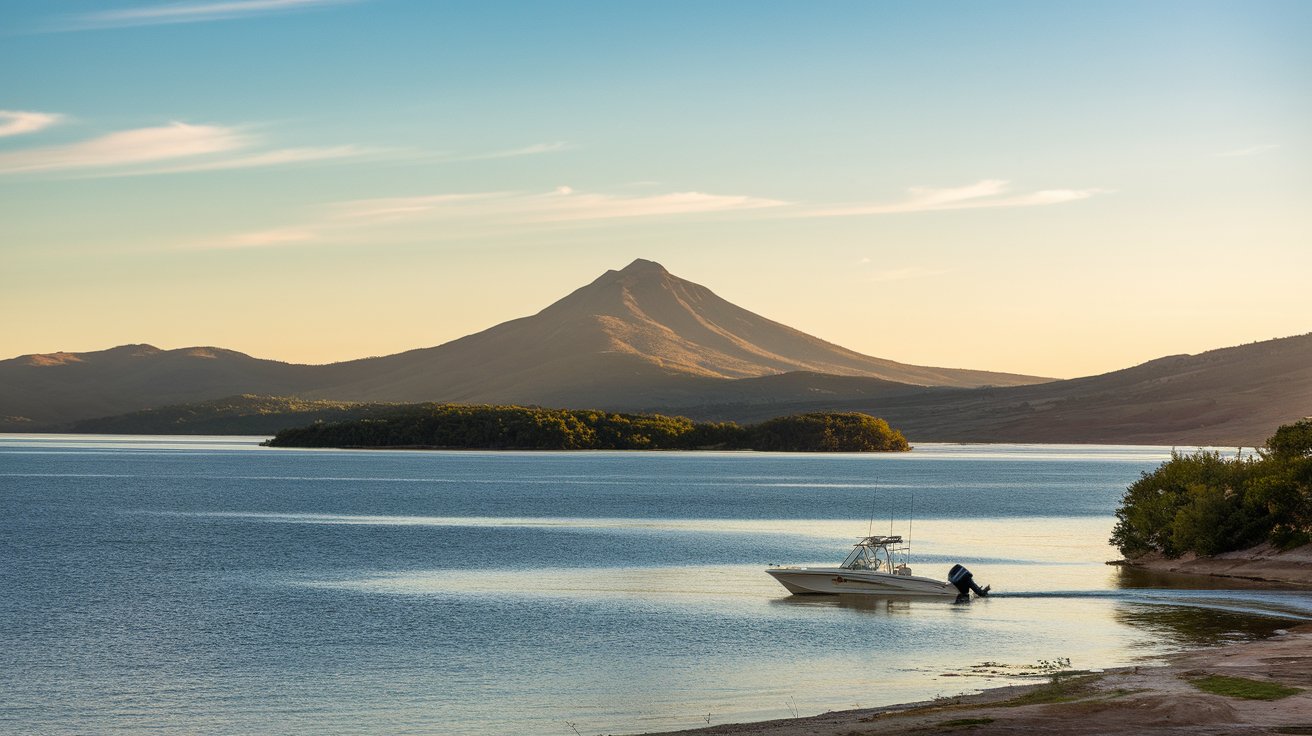
Lake Titicaca stands as one of South America’s most remarkable destinations, combining natural wonder with profound cultural significance. The lake covers 3,232 square miles and reaches depths of 932 feet, making it the largest lake in South America by water volume. Its pristine waters reflect snow-capped Andean peaks, creating a mystical atmosphere that has captivated travelers for centuries.
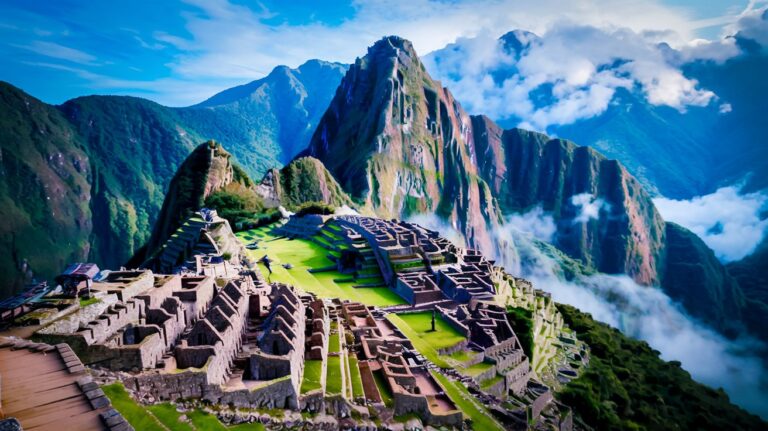
The spiritual significance of Lake Titicaca runs deep in Andean culture, as the Incas believed this sacred lake was the birthplace of the sun and their civilization. Today, visitors can witness traditional ceremonies performed by local communities who maintain ancient customs passed down through generations. The lake’s unique ecosystem supports diverse wildlife, including endemic species found nowhere else on Earth.
Best Time of Year to Visit Lake Titicaca
The best time to visit Lake Titicaca is during the dry season from May through September, when clear skies and minimal rainfall provide optimal conditions for outdoor activities and photography. Temperatures during this period range from 50-60°F during the day and can drop to 30-40°F at night, requiring proper clothing for the high altitude environment.
Peak tourist season occurs from June to August, coinciding with summer holidays in the Northern Hemisphere. While this period offers the most stable weather conditions, travelers should expect higher prices and larger crowds at popular attractions. The shoulder seasons of May and September provide an excellent balance of good weather and fewer tourists, making them ideal for budget-conscious travelers seeking authentic experiences.
Seasonal Weather Patterns for Lake Titicaca Holidays
During the wet season from October to April, Lake Titicaca experiences afternoon thunderstorms and higher humidity levels. However, this period offers lush green landscapes and fewer crowds, with hotel rates dropping by 20-30% compared to peak season. Morning hours typically remain clear, allowing for early boat tours and island visits before afternoon weather changes.
Optimal Travel Months by Activity Type
Photography enthusiasts should plan Lake Titicaca holidays between June and August for crystal-clear reflections and dramatic lighting conditions. Cultural festivals occur year-round, with major celebrations like Inti Raymi in June and Virgen de la Candelaria in February offering immersive cultural experiences regardless of season.
All-Inclusive Lake Titicaca Holiday Packages
Lake Titicaca holidays all inclusive packages have gained popularity among US travelers seeking hassle-free experiences in 2025. These comprehensive tours typically include accommodation, meals, guided excursions, transportation, and cultural activities, with prices ranging from $1,200 to $3,500 per person for 4-7 day packages depending on luxury level and included services.
Premium all inclusive packages feature luxury hotels with lake views, private boat tours, gourmet dining experiences, and expert guides fluent in English. Mid-range options focus on comfortable accommodations, group tours, and authentic local cuisine, while budget packages emphasize cultural immersion and community-based tourism experiences that directly benefit local families.
Essential Lake Titicaca Islands and Attractions
The famous Uros floating islands represent the most iconic attraction for Lake Titicaca holidays, where indigenous families have lived on man-made totora reed islands for over 500 years. Visitors can walk on these remarkable structures, learn about traditional construction methods, and purchase authentic handicrafts directly from the artisans who create them.
Taquile Island offers a deeper cultural experience, recognized by UNESCO for its textile traditions and community-based tourism model. The island’s spiritual significance is evident in ancient terraces, sacred sites, and traditional ceremonies that visitors can respectfully observe during guided tours.
Uros Floating Islands Experience
The Uros islands provide a unique glimpse into ancient lake-dwelling traditions, with approximately 120 floating islands supporting over 2,000 residents. Visitors typically spend 2-3 hours exploring these remarkable structures, learning about totora reed harvesting, and experiencing traditional transportation methods aboard colorful reed boats.
Taquile Island Cultural Immersion
Taquile Island maintains strict community rules that preserve traditional ways of life, including prohibitions on vehicles and modern technology. Visitors must climb approximately 500 stone steps to reach the island’s center, where community members demonstrate traditional weaving techniques and serve authentic Pachamanca meals cooked underground.
Swimming and Water Safety at Lake Titicaca
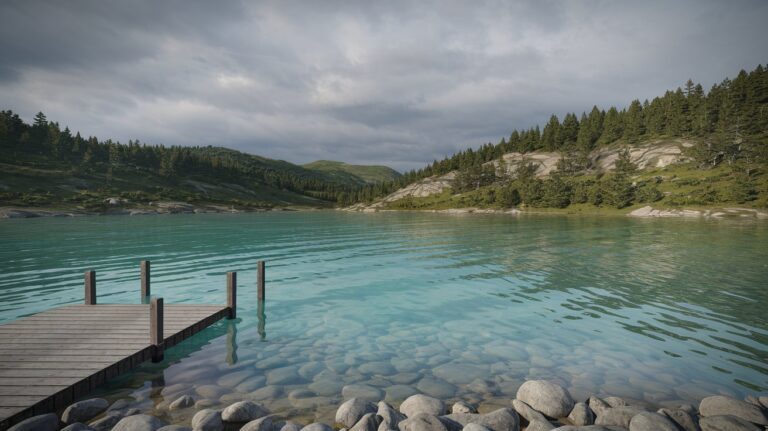
Many travelers wonder if Lake Titicaca is safe to swim in, and the answer requires careful consideration of several factors. The lake’s pristine waters are generally clean and safe for swimming, but the extreme altitude and cold temperatures present unique challenges that require proper preparation and precautions.
Water temperatures rarely exceed 55°F even during summer months, making swimming a brief but invigorating experience. The high altitude significantly reduces oxygen levels, potentially causing rapid fatigue and altitude sickness symptoms. Visitors should acclimatize for at least 24-48 hours before attempting any strenuous water activities and always swim with experienced guides or locals familiar with lake conditions.
2025 Lake Titicaca Holiday Trends and Updates
Lake Titicaca holidays 2025 feature increased focus on sustainable tourism practices, with new community-based initiatives offering authentic cultural exchanges while directly benefiting local families. Recent infrastructure improvements include upgraded boat facilities, better accessibility options, and enhanced safety protocols for water activities.
Digital detox tourism has emerged as a popular trend, with many visitors seeking the spiritual significance of disconnecting from technology while immersing in ancient Andean traditions. New luxury eco-lodges opened in 2024, offering solar-powered accommodations with traditional architecture and modern amenities for environmentally conscious travelers.
Sustainable Tourism Initiatives in 2025
Community-based tourism programs now allow visitors to stay with local families on Amantani Island, participating in daily activities like farming, cooking, and traditional ceremonies. These programs ensure tourism revenue directly supports island communities while preserving authentic cultural practices for future generations.
New Transportation and Tour Options
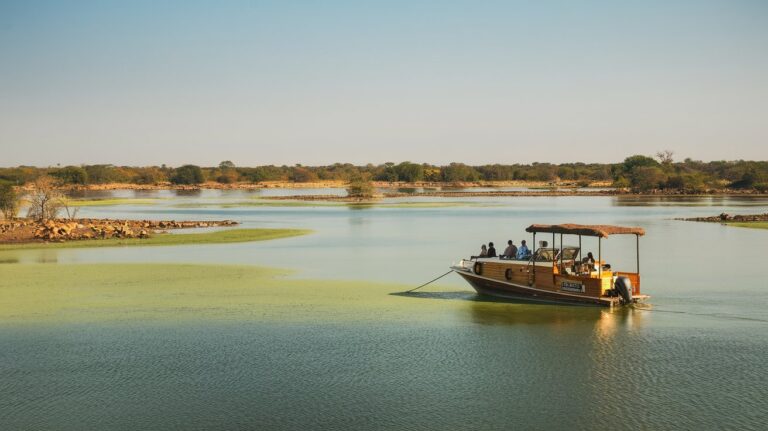
Enhanced boat services launched in 2024 feature larger, more comfortable vessels with safety equipment and English-speaking guides specifically trained for US tourists. New rail tours connecting Cusco to Puno offer luxury travel experiences with panoramic windows showcasing Andean landscapes during the scenic journey to Lake Titicaca.
Planning Your Lake Titicaca Holiday from the United States
US travelers planning Lake Titicaca holidays should book flights to Jorge Chávez International Airport in Lima, followed by domestic connections to Juliaca Airport, the closest air access point to the lake. Alternative routes include flying to La Paz, Bolivia, and traveling overland, though this option requires additional visa considerations for US citizens.
Most holiday packages include ground transportation from airports to lakeside accommodations in Puno, Peru, or Copacabana, Bolivia. Travel insurance is highly recommended due to the remote location and high altitude, with policies covering medical evacuation and altitude-related illness being particularly important for US visitors unaccustomed to extreme elevations.
Related video about Lake Titicaca holidays
This video complements the article information with a practical visual demonstration.
Your questions answered
What is the best time of year to visit Lake Titicaca?
The best time to visit Lake Titicaca is during the dry season from May through September, offering clear skies, minimal rainfall, and optimal conditions for outdoor activities. Temperatures range from 50-60°F during the day, with night temperatures dropping to 30-40°F, requiring warm clothing for the high altitude environment.
What is the spiritual significance of Lake Titicaca?
Lake Titicaca holds profound spiritual significance in Andean culture, as the Incas believed it was the birthplace of the sun and their civilization. Local communities continue to perform traditional ceremonies and maintain ancient customs, considering the lake a sacred site where the physical and spiritual worlds connect.
Is Lake Titicaca safe to swim in?
Lake Titicaca is generally safe to swim in with proper precautions. The pristine waters are clean, but temperatures rarely exceed 55°F and the extreme altitude can cause rapid fatigue. Visitors should acclimatize for 24-48 hours before swimming and always swim with experienced guides familiar with lake conditions.
How much do Lake Titicaca holiday packages cost for US travelers?
Lake Titicaca all-inclusive holiday packages for US travelers range from $1,200 to $3,500 per person for 4-7 day experiences. Premium packages include luxury accommodations and private tours, while mid-range options focus on comfortable group experiences, and budget packages emphasize cultural immersion and community-based tourism.
What makes Lake Titicaca holidays special compared to other destinations?
Lake Titicaca holidays offer unique experiences including visiting floating islands inhabited for over 500 years, witnessing ancient textile traditions, and exploring the world’s highest navigable lake. The combination of pristine natural beauty, profound cultural significance, and authentic indigenous communities creates an unmatched travel experience.
How should US travelers prepare for Lake Titicaca’s high altitude?
US travelers should arrive 24-48 hours before planned activities to acclimatize to Lake Titicaca’s 12,507-foot elevation. Preparation includes staying hydrated, avoiding alcohol initially, eating light meals, and considering altitude sickness medication. Travel insurance covering altitude-related illness and medical evacuation is highly recommended for US visitors.
| Holiday Aspect | Key Details | Benefit for US Travelers |
|---|---|---|
| Best Travel Season | May-September dry season | Clear skies, optimal photography conditions |
| All-Inclusive Packages | $1,200-$3,500 for 4-7 days | Hassle-free planning, cultural immersion |
| Unique Attractions | Floating islands, ancient traditions | Once-in-a-lifetime cultural experiences |
| Spiritual Significance | Sacred Incan birthplace legends | Meaningful, transformative travel |
| Swimming Safety | Clean water, cold temperatures | Safe adventure with proper precautions |